








Trainer Bra Guide: What It Is, When to Start, and How It Should Fit

Choosing a first bra can feel like a big moment for a child and for the adults supporting them. A trainer bra is often the first step: simple, soft, and made for early breast development. This guide covers what a trainer bra is, when to start wearing one, how it should fit, and what features help kids feel comfortable and confident.
What is a trainer bra?
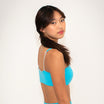
A trainer bra is a lightweight, usually wireless bra made for the early stages of breast development. It offers gentle coverage, helps reduce nipple show-through, and can make some kids feel more comfortable during activities or under certain tops. A trainer bra should fit snugly but not tightly, sit flat against the chest without digging in, and allow full movement without rubbing or pinching. It typically has:
-
Soft, stretchy fabric
-
A wireless design (no underwire)
-
Light support and coverage
-
Simple straps and seams that are less likely to irritate skin
A trainer bra is not meant to lift or shape. It is meant to feel easy, help with modesty if your child wants it, and support comfort during a time when their body is changing.
What does a trainer bra do?
Here’s what a trainer bra usually helps with:
-
Coverage: Many kids ask for one when nipples become more noticeable under shirts.
-
Comfort during movement: Light compression can reduce sensitivity during sports, PE, or running around.
-
Confidence: Some kids feel more “put together” in certain outfits, especially in fitted tops.
-
A gentle introduction: It helps kids get used to the idea of wearing a bra without complex sizing or hardware.
A key point: the “right time” is often about comfort and preference, not a specific age.
When should a girl start wearing a trainer bra?
This is one of the most common questions from parents and caregivers: When should a girl start wearing a trainer bra? There isn’t one perfect age. Some kids want one at 8 or 9, others at 12 or 13, and some may skip trainer bras altogether.
Signs your child might be ready
A trainer bra can be helpful when your child:
-
Mentions nipple visibility or wants more coverage
-
Says their chest feels sensitive, tender, or “bouncy” during activity
-
Starts wearing camisoles or layering for modesty
-
Asks about bras because peers are wearing them
-
Is beginning early breast development (often called breast buds)
Ages you’ll see in searches (and what to do with them)
Google suggestions like “Training bras for 9 year olds,” “Beginners bra for 10 years girl,” and “Training bras for 12 year olds” show how varied this stage is. Use age as a loose reference, then focus on readiness and comfort. Two kids the same age can have totally different bodies and preferences.
If your child does not want one yet
That’s okay too. Some kids prefer a camisole, a snug tank, or nothing at all for a while. The goal is support and choice, not a milestone to check off.
How to talk about a first bra without making it awkward
A calm, practical approach usually works best. You can try:
-
“Some tops feel different when bodies start changing. If you ever want more coverage, we can look at a few options.”
-
“You’re in charge of what feels comfortable. We can try something soft and see how it feels.”
-
“Bras are just underwear. They’re there to help you feel comfortable.”
Let them lead when possible. If they want privacy, offer it. If they want your help, stay close.
Trainer bra for girls: what to look for
When shopping for a trainer bra for girls, comfort matters more than anything. The best early bras usually share a few traits.
1) Soft, breathable fabric
Look for smooth, gentle materials that feel good against skin. Breathable cotton blends can work well for everyday wear, while moisture wicking fabrics may help for sports or warm weather.
2) Wireless design
A wireless trainer bra is often the most comfortable choice for a first bra. Underwire can feel too structured and unnecessary in early development.
3) Simple seams and smooth edges
Bulky seams and scratchy elastic can irritate skin. A smooth underband and soft strap attachments usually feel better.
4) Adjustable straps (nice to have)
Adjustable straps help with fit as your child grows. Some first bras have fixed straps for simplicity, which can still work well if the fabric is stretchy and the fit is right.
5) Easy on and off
Some kids like pullover styles; others prefer clasps. Pullover is often easier at the beginning, but closures can help with a more customised fit. Either can be fine if your child likes it.
6) Light padding: optional, not required
Some trainer bras include removable pads or light lining. This can help with coverage and sensitivity, but it’s not required. Many kids prefer a simple lined front with no added bulk.
How a trainer bra should fit
Fit is the difference between “I forgot I’m wearing it” and “I can’t wait to take this off.” A trainer bra should feel supportive but not restrictive.
The underband should be snug and comfortable
The band is the part that sits around the ribcage. It should:
-
Sit straight across the back
-
Feel snug but allow a deep breath
-
Not roll up, pinch, or leave deep marks
If the band rides up, it may be too loose. If it feels tight or makes breathing uncomfortable, it is too small.
The front should lie flat
The fabric should sit smoothly against the chest with no sharp digging. A little stretch is normal. You should not see gaping, puckering, or pinching.
Straps should stay put without digging in
Straps that slide off can be annoying. Straps that dig in can cause soreness. A good strap fit:
-
Stays on the shoulders during movement
-
Feels secure without cutting into skin
-
Can be adjusted if needed
Movement test
Have your child raise their arms, twist side to side, and do a small hop. The bra should stay in place and not rub. If it shifts a lot, it may be the wrong size or style.
Sizing tips for early-stage bras
Trainer bras often use simple sizing like XS to XL. That can feel easier than cup sizes, but it can still be confusing.
Here are practical ways to get closer to the right fit:
-
Start with their clothing size, then adjust based on ribcage snugness.
-
If your child is between sizes, consider sizing up for comfort, unless the band becomes too loose.
-
Prioritise a band that stays in place. A loose band means the bra will move around and rub.
If a brand provides a size chart, use it. If possible, try on at home with your child wearing a thin tee over it to check comfort and coverage.
What is the 3 bra rule?
You might see “What is the 3 bra rule?” in searches, especially around first bra shopping. People use this phrase in a few ways, but the most helpful version for families is:
One to wear, one to wash, and one spare.
Kids are active, laundry happens, and having a backup prevents stressful mornings. If buying three at once is not realistic, starting with one and adding another later works fine.
Common concerns from parents and caregivers
“Is my child too young for a trainer bra?”
If your child wants one for comfort or coverage, that’s usually reason enough. A trainer bra is not sexual or grown-up. It is underwear designed for a changing body.
“Will wearing a bra affect development?”
A trainer bra does not stop or speed up breast development. It’s simply a garment.
“What if my child is developing unevenly?”
That’s normal. Bodies change at different rates, and it’s common for one side to develop earlier. Stretchy, soft styles tend to accommodate these changes better.
“What if my child has sensory sensitivity?”
Look for ultra-soft fabrics, tag-free designs, and wide, smooth underbands. Some kids prefer seamless or very minimal styles.
Style options: which trainer bra is best?
There’s no single best, but there may be a best match for your child’s needs.
Pullover bralette style
Good for: first-time wearers, kids who want simple and comfy
Why it works: no hooks, smooth feel, easy to wear
Adjustable, clasp-back style
Good for: kids who want a more secure fit or are in between sizes
Why it works: adjustability, easier to fine-tune band snugness
Sports-leaning trainer bra
Good for: active kids or PE days
Why it works: more stable during movement, often moisture-wicking
Lightly lined or padded style
Good for: kids who want extra coverage, less nipple show-through
Why it works: modesty and comfort, especially under thinner tops
When to move on from a trainer bra
A trainer bra can work for a long time, especially if it remains comfortable and fits well. You might consider changing styles or sizing when:
-
The band feels tight or leaves deep marks
-
Straps feel too short even when adjusted
-
Your child asks for more support
-
There is visible spillage at the sides or top
-
The bra shifts around a lot during movement
Some kids transition to a more supportive bralette or a light-support bra. Others stick with trainer bras and bralettes for years.
Care tips: making bras last longer
First bras go through a lot. Simple care can keep them comfortable:
-
Use a gentle cycle and cool water
-
Put bras in a mesh laundry bag if possible
-
Avoid high heat in the dryer, which can break down elastic
-
Replace when the fabric thins, the band stretches out, or seams begin to rub
Helpful next reads on underwear basics
If you’re also sorting out underwear alongside first bras, these guides can help:
About Bleuet

Bleuet makes comfortable, age-appropriate bras and underwear for girls, tweens, and teens, with a focus on the early stages of bra wearing. The goal is simple: create soft, supportive essentials that feel good on growing bodies and help make first bra moments less stressful. From beginner-friendly trainer bras to everyday underwear options, Bleuet designs pieces that prioritise comfort, coverage, and easy wear so kids can move freely and feel like themselves.
FAQ
What does a trainer bra do?
It provides light coverage and gentle support in early breast development, helps reduce nipple show-through, and can increase comfort during movement.
What is a trainer bra?
A trainer bra is a simple, usually wireless first bra made for comfort and coverage rather than lift or shaping.
When should a girl start wearing a trainer bra?
When they want one for comfort, coverage, or confidence. Readiness depends on the child, not a specific age.
What is the 3 bra rule?
Commonly: one to wear, one to wash, and one spare, so there’s always a clean option.
Is it okay to wear training bras as an adult?
Yes. Comfort comes first. Adults can wear any wireless, light-support style they like.
Leave a comment