










Sensory Seeking vs Sensory Avoiding: Why the Same Diagnosis Can Require Different Underwear

One girl tugs at her waistband all morning and cannot settle until she takes it off. Another feels calmest in a snug, steady fit that stays put. They may be the same age and share the same diagnosis, yet need opposite things from their clothes. Understanding sensory seeking vs sensory avoiding can help parents protect a girl's focus, mood, and confidence. The difference often becomes especially clear in the underwear drawer.
The goal is to notice her signals and match them to useful underwear features. These patterns can guide comfort choices, but they are not a diagnosis.
Seeking vs Avoiding: How to Spot the Difference Fast
A sensory-seeking body wants more input to feel settled. A sensory-avoiding body wants less because ordinary input already feels overwhelming. Neither response needs to be fixed. Each one offers information about what helps a girl feel comfortable in her clothes.
Her clothing habits may reveal the pattern quickly. A seeking girl may prefer snug fits and steady pressure at the waist. She might fidget with her waistband until everything feels firmly in place. An avoiding girl may pull off her socks as soon as she gets home, fixate on a seam others barely notice, or ask for a stretch of time with "nothing touching me" before bed.
You can also watch what happens during the first minute after she gets dressed. Does she adjust the waistband, tug at the leg openings, or change outfits? That quick, automatic response may be the clearest clue.
The Eight Senses Behind Underwear Comfort (Not Just Five)
Children usually learn about five senses in school: sight, sound, smell, taste, and touch. Occupational therapists work with eight. The other three are vestibular sense, which relates to balance and movement, proprioception, which tracks pressure and the position of muscles and joints, and interoception, which detects signals inside the body. Those three can play a major role in clothing comfort.
Touch, proprioception, and interoception matter most for underwear and bras. Touch determines how fabric and seams feel against the skin. Proprioception helps explain why a steady waistband can feel grounding by giving the brain clear information about the body's position. Interoception is less familiar to many families, but it may be an important part of the puzzle.
Interoception detects internal cues such as hunger, thirst, temperature, a full bladder, and a racing heart. Some girls experience these messages as unusually loud, faint, or confusing. A snug waistband adds another source of body awareness. That input may calm a seeking girl. For an avoiding girl, the same pressure may intensify her awareness until an ordinary waistband becomes impossible to ignore.
Parents can also learn more about how clothing affects kids with sensory issues before comparing individual features.
The Four Sensory Patterns, Explained in Plain Language
Seeking and avoiding are useful starting points, but sensory responses are more nuanced than two opposite labels. Occupational therapist Winnie Dunn's framework uses two sliders. It can help families understand a girl's behavior and give her clearer words for what she feels.
The first slider is the sensory threshold, or how much input the body needs before it reacts. A low threshold means small sensations can trigger a response. A high threshold means the body may barely notice them. The second slider is response style, or whether a girl actively changes the situation or passively endures it.
Those two sliders create four patterns. Sensory seeking combines a high threshold with an active response, so the girl adds pressure or sensation. Sensory avoiding combines a low threshold with an active response, so she quickly removes the offending item. Sensory sensitivity pairs a low threshold with a passive response. Low registration pairs a high threshold with a passive response, so signals may arrive late or feel faint.
Underwear offers a clear example of the difference between avoiding and sensitivity. Avoiding might sound like, "I need to change now," or, "I refuse to wear that fabric." Sensitivity might sound like, "This bothers me, but I will keep wearing it until I cannot cope anymore." Both girls have a low threshold, but only one reacts immediately. That difference can lead adults to dismiss one girl as dramatic while overlooking the other girl's discomfort.
Neither response is drama. A girl who can say, "I am sensitive to pressure, so a flat waistband helps," is advocating for herself. Parents can find more language for these reactions in the guide to whether she is sensitive to clothing.
Most Girls Are Seekers in One Sense and Avoiders in Another
Few girls fit neatly into one sensory category. A girl can seek input in one system and avoid it in another. She might crave deep pressure but flinch at a scratchy tag. Because each sense can respond differently, one label rarely tells the whole story.
Consider two common combinations. One girl may love tight hugs and sleep under a weighted blanket, both signs of pressure seeking, yet struggle in a noisy cafeteria. Another may cheer through a deafening pep rally but be unable to tolerate one underwear seam pressing against her hip. The same girl can have opposite reactions depending on the type of input.
Her tolerance can also change with her physical and emotional state. Sleep, stress, an upcoming exam, or a packed schedule can affect what her nervous system can handle. An underwear that felt fine on Monday may feel unbearable on Friday. That change does not mean anything is wrong.

That is why one ideal pair may not work every day. A small comfort rotation gives her options for different needs, such as one for calm days and another for busy ones. The Mix & Match Undie Bundle by Bleuet combines the organic cotton hipster and the Chloe modal bikini brief, giving her two distinct feels in one drawer. Both are tagless and have minimal seams plus a smooth, flat waistband that stretches and molds to the body. On a draining day, she can choose the pair that feels lightest. On a steadier day, she may prefer the one that feels more secure.
Interested? Browse complete Bleuet collection today!
Translating Sensory Needs Into Specs She Can Shop For
If a girl spends the day thinking about her underwear, discomfort is already competing for her attention. Turning her concerns into a short list of practical features can help families shop with a clearer purpose.
Four specs address many common needs for a sensory-avoiding girl:
- Tag-free. No label means there is no tag to remove and no leftover stub that can scratch her skin.
- Smooth, minimal seams. Flat construction reduces ridges that press against the hips or inner thighs.
- Soft, breathable fabric. A gentle feel and airflow can make all-day wear easier, especially when warmth is a trigger.
- A flat, no-roll waistband. The band should stretch and stay in place without pinching, digging, or folding into a sharp pressure point.
Use a quick try-on test at home. Ask her to sit, squat, and walk, then check whether anything pokes, itches, or shifts. Ask again after ten minutes. If she has stopped noticing the underwear, the pair has passed an important test.
The guide to the best underwear for girls with sensory issues compares styles using these same comfort features.
How Bleuet Designs Out the Everyday Sensory Triggers
A bra is doing its job when a girl can put it on and move through her day without thinking about it. Bleuet underwear and bras reduce common sensory stressors such as scratchy tags, rigid wires, and rough seams. That makes the fit more predictable from morning drop-off through dinner.
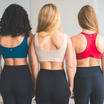
Bleuet underwear and everyday bras are tag-free, leaving nothing to cut out and no rough edge behind. The fabrics have a soft, consistent feel with gentle stretch. Minimal seams reduce rubbing at the waist and leg openings. Every bra is wire-free and designed for everyday movement rather than shaping.

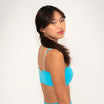
These choices can support both sensory profiles. An avoiding girl gets a more predictable feel with fewer unexpected sensations. A seeking girl gets a steady, secure fit without pinching. The Bleum Bra brings those qualities together. It is ultra-soft, double-lined, reversible, tag-free, and made with minimal seams. It follows T-shirt sizing from 6 to 24 and costs $24.
Comfort is personal, and finding the right style may take more than one try. Two girls can experience the same bra differently. If pain, chafing, or a rash persists, talk with a pediatrician before trying to solve the issue through clothing alone.
Where to Start When Comfort Comes First
Begin with pieces that address common sensory concerns, then let the girl's own responses guide the final choice. Her signals matter more than a general label. Parents can browse the girls' underwear collection to compare options.
Parents can also explore the guides to the best underwear for sensory issues, signs that she is sensitive to clothing, and dressing kids with sensory needs. Specific language and features can make the choice feel more manageable.
Being sensory aware does not mean a girl is too sensitive. When she understands what her body needs, she can choose clothing that supports her day. Her attention can stay on friends, learning, and fun instead of the seam at her hip.
Frequently Asked Questions
Is sensory seeking the same as autism?
No. Sensory-seeking and sensory-avoiding patterns occur in many children, both with and without an autism diagnosis. Some girls are sensitive to certain input or seek more of it without having a related condition. If the pattern regularly interferes with school, sleep, or daily life, talk with a pediatrician and ask whether an occupational therapy evaluation may help.
Can a girl be sensory seeking and sensory avoiding at the same time?
Yes. Many girls seek input through one sense while avoiding it through another. A girl may like steady pressure at her waist but flinch at a particular seam or sound. Her needs can also change from day to day. Keeping two reliable underwear options, such as a calm-day pair and a busy-day pair, lets her choose what feels right that morning.
How can a parent distinguish sensory avoiding from disliking a style?
Look at the intensity, whether the reaction repeats, and how quickly she feels better after changing. A style preference is usually mild or inconsistent. Sensory discomfort can take over her attention and affect her mood until the trigger is removed. If a seam or waistband repeatedly distracts her from everything else, treat it as a real sensory need.
What should a girl try first if underwear bothers her every day?
Start with basic variables: tags, seam placement, waistband shape, fabric feel, and whether the fit stays in place. Change one feature at a time so you can identify the source of the discomfort. Before she wears a new pair for a full school day, try it at home for ten to twenty minutes and ask whether she has stopped noticing it.
What can a girl say if a parent thinks she is being dramatic?
Specific words can make the problem easier to understand. She might say, "This is not about style. It affects my focus and mood. Can we change one thing and see whether it helps?" Terms such as seeking, avoiding, predictable feel, and stable waistband turn a general complaint into a clear request that a parent can act on.
Leave a comment