







How to Find Comfortable Clothes for Kids With Sensory Issues That Actually Get Worn

Scratchy tags and stiff waistbands can turn a school morning into a standoff. The pile of never-worn clothes in the drawer shows how much money gets wasted on clothes for kids with sensory issues that felt wrong on day one.
This guide skips the vague "buy soft things" advice. It works through a sourcing checklist by trigger zone: fabric, seams, fit, base layers, uniforms, winter, and first bras a tween actually chooses to wear. Her voice matters throughout, so build in choice and predictability.
Read the Fabric Tag Like a Comfort Detective
Two shirts can both say 100% cotton and feel worlds apart. One is soft and broken-in, the other stiff and scratchy. Fiber is only the first clue. How that fiber is knitted, finished and washed decides whether a tween keeps the garment on past breakfast.
Different fabrics suit different triggers rather than one being universally better. Modal, bamboo blends and finely knitted cotton tend to feel smooth against skin, which helps when texture is the problem. When overheating is the trigger, a lightweight performance knit that wicks and breathes usually beats a heavier natural weave. Bleuet uses both across its range, including TENCEL™ Modal in the Iris Soft Cup Bra and organic cotton and bamboo blends elsewhere.
A few culprits are worth dodging when the situation allows: stiff denim, scratchy wool, crisp or starched cotton, and rough synthetics. None are villains for every child, but they top the complaint list.
New-clothes stiffness fools a lot of parents. That factory crispness usually softens after one or two washes in fragrance-free detergent with an extra rinse, so waiting to judge saves perfectly good pieces. For fast in-store decisions, a girl can run a ten-second cheek or forearm test. If it fails against the softest skin, it will not survive a school day.
Run a 30-Second Contact-Point Audit Before Anything Reaches the Cart
Fabric might pass the cheek test and still ambush a tween by lunchtime. The culprit is almost always the seams and labels, the small hardware of a garment that sits against skin.
Five spots do the damage: the neck label, the side seams, the waistband seam, the sock toe seam, and the underarm seams. Pinch each one. A seam that feels ropey, or a label that stands up stiff, will only feel worse after eight hours of movement.
Product descriptions help too. Phrases like tag-free or printed labels, flat seams, and minimal raised stitching signal a garment built for sensitive skin. That is the thinking behind the tag-free, minimal-seam construction Bleuet uses across its everyday bras, where the size marking is worked into the garment rather than sewn in as a separate woven tag.
Replacing a whole wardrobe rarely fits the budget, so a few fixes stretch what a family already owns. A seam ripper removes a stitched-in tag cleanly, as long as the blade lifts the tag threads and never nicks the seam. Turning a shirt inside out hides seams when those are the trigger. A soft iron-on patch, placed so it covers rather than rubs, quiets one stubborn rough spot.
When a style finally works, buying two or three of the same removes the daily guessing game. Let the tween have a say in which fixes feel acceptable to wear at school, so a rejected repair does not end up unworn anyway.
Test Fit With a Three-Move Script: Sit, Squat and Reach
A garment can clear the fabric and seam tests and still fail the moment a tween starts moving. Rubbing at the waist, fabric that shifts and twists, and a hem that flaps loose are as maddening as a scratchy tag, and they wear the day down the same way.
Waistbands earn the closest look. Wide, encased elastic spreads pressure gently across the belly, while narrow or exposed elastic digs in and leaves red lines by home time. Run a finger along the inside to confirm a smooth interior, and check that no drawcord ends dangle to scratch or catch. Layering pieces help under skirts and shorts too: Bleuet's Bleumer Tumble Shorts add a soft, stretchy layer under uniforms and dresses.
Closures matter for independence, not just comfort. Pull-on styles skip the fine-motor battle entirely, and when a fastening is unavoidable, larger pulls and simple closures spare a tween the frustration of fiddly hooks before school.
Then run the three-move test in the fitting room. Have her sit, squat and reach overhead while a parent watches for riding, twisting and pressure points. One last tip: matching size consistency across brands beats sizing up, because a too-large piece bunches, slides and demands constant adjusting, which is a sensory trigger of its own.
Build a Base-Layer Plan, Because What Touches Skin First Sets the Tone

Base layers do the most sensory work of anything in the drawer. They sit close, stay in contact all day, and get no relief from a looser layer on top. When a morning falls apart, the trigger is often the thing nobody can see: an underwear seam, a sock, a band that will not sit still.
Underwear earns its own standards: smooth or flat seams, a soft waist that does not pinch, no scratchy lace, and a predictable rise that lands in the same place every time. Bleuet's organic cotton and modal briefs are cut with minimal seams and a flat waistband for exactly this reason.
Socks hide a common villain: the toe seam. A bulky interior seam rubs with every step, so very smooth toe construction is worth hunting down. Fit matters too, since a too-short sock creates pressure at the toes and heel.
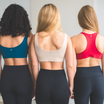
Bras reward comfort-first features: wire-free, a soft band, gentle stretch, minimal internal seams and no itchy tags. On active mornings the priority shifts to breathable fabric, no bulky underarm seams and a band that stays put. The moisture-wicking Bleum Active Bra is built for that kind of movement.
What keeps mornings calm is choice within limits. Stock two or three approved options in each category so a tween picks what feels right without restarting the whole search before school.
Swap the Uniform Pain Pieces for Sensory-Safe Versions That Still Pass Dress Code
A dress code narrows the field to a handful of required pieces, and some fight a tween's skin every single day. Stiff collars, rough plackets, tight button areas, scratchy tights and rigid waistbands are the usual offenders, and none of them are optional the way a play-clothes shirt is. That is what makes uniforms so quietly stressful for a sensitive kid.
The work-around is finding compliant versions of the same required item. Where the code allows it, a soft knit polo replaces a crisp woven shirt without breaking a rule. Stretch ponte or pull-on uniform trousers skip the digging waistband and stiff zip that make woven ones miserable, and a soft encased waist removes the belt buckle as one more contact point.
Direct contact is often the real trigger, and layering handles that. An ultra-soft base tee under a required top, or soft shorts under a uniform skirt, puts a barrier between skin and the rougher fabric. Bleuet's bamboo tumble shorts do exactly this under skirts and pinafores.
Within the rules there is almost always room to choose: the exact polo color, the trouser shape, the length. A girl who feels comfortable in the uniform is far more likely to keep it on all day.
Layer for Winter With a Three-Piece System
Winter stacks the deck against a sensitive kid. Bulk restricts movement, stiff fabrics resist every bend, crinkly shells hiss with each step, and fuzzy linings itch at the neck and wrists. One giant coat multiplies all four at once, which is why a layering system beats a single heavy piece.
The base sits closest, so it does the heavy lifting: a soft, pre-washed long sleeve that feels broken-in before it leaves the house. The mid-layer adds warmth without stiffness, a thin insulating piece that still flexes when arms swing rather than a rigid, heavy jumper that fights every reach. The outer shell is where noise lives, so when a crinkly texture triggers distress, a smoother, quieter fabric spares a tween the constant rustle.
Small details decide whether the system works. A zip guard keeps cold metal off the chin, soft cuffs stop the wrist itch, and a non-scratchy neckline removes the spot kids complain about most. Overheating is its own trigger, so layers that peel off easily beat one bulky coat a child cannot regulate.
For a teen, the test is simpler: the warmest jacket is worthless if it lives in the locker. Prioritize the one she will actually wear.
Choose a First Bra That Passes the Full-School-Day Test

A first bra can fail faster than almost anything else in the drawer. A scratchy tag at the back, a rough interior seam, a band that rolls up by break, or hard hardware pressing into skin, and it lands in the reject pile within a week. The stakes feel higher too, because this milestone carries feelings a stiff waistband never does.
The comfort checklist is short. Look for a wire-free feel, a smooth interior, gentle stretch, and minimal seams in the high-rub zones under the arms and along the band. Skip anything with a scratchy woven tag in favour of a tag-free finish. Aim for support that feels steady rather than tight, with a band that neither pinches nor slides through the day.
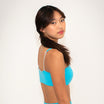
Bleuet built its approach around this. The bras use soft fabrics, reduced irritation points and age-appropriate design, with a tag-free finish instead of a stitched-in label, and several styles have no elastic straps at all. That pays off in durability, easy washing and fewer drawer rejects. The First Bra Starter Pack gathers three reversible, wire-free everyday bras into one set for a soft starting point.
Getting the size and the wearing right removes the last friction. A quick read of the first bra sizing guide and the complete first-bra guide settles most questions, and the how-to-wear walkthrough helps a nervous first-timer feel in control.
Then hand the verdict to the wearer. After one full school day, ask for a comfort score out of ten. If it lands below an eight, the search continues until a bra earns the number.
Turn This Checklist Into One Low-Pressure Order

Every filter covered so far, fabric feel, seam and label placement, and movement-tested fit, comes down to one habit: buy the highest-contact item first and let it prove itself before the wardrobe follows. For most tweens that item is a bra, since it stays against skin the longest.
A simple starter approach keeps the risk low. Pick one comfort-first style, plan a relaxed try-on at home with the tags on, and let her wear it around the house before any verdict. Once a style earns its comfort score, stock up in that exact style to end the daily guesswork.
Ready to begin? Shop Bleuet's comfort-first essentials and start with the one piece that touches skin the most.
Frequently Asked Questions
Do I need to buy specialty clothing, or can I fix what we already own?
Start with the cheapest wins before buying anything new. Wash stiff pieces two or three times in fragrance-free detergent with an extra rinse, remove stitched-in tags with a seam ripper, and turn shirts inside out when seams are the trigger. Replace only the biggest offenders first, usually socks, underwear or a bra, and leave the rest of the drawer alone.
My tween says everything is itchy. How do we work out what the real trigger is?
Run a three-part test on the garment she rejects: check the fabric feel, the seam locations, and the pressure points at the waist, band and cuffs. Track patterns too, since heat, sweat and certain hours of the day sharpen sensitivity. Then let her name her top two dealbreakers. That single step narrows the next shopping trip from guesswork to a short, specific list.
Are compression garments a good idea for a sensitive child?
Sometimes. Steady, even pressure calms some children who seek that input, while it distresses others who avoid anything tight. The rules stay firm either way: nothing should restrict breathing or movement, and if a piece causes upset, it comes off. When compression is part of a regulation plan rather than a comfort preference, a paediatric occupational therapist can offer guidance suited to the individual child.
What should I look for in a first bra for a sensitive tween or teen?
Prioritize a wire-free feel, a soft band that stays put, minimal internal seams, a tag-free finish rather than a scratchy woven label, and breathable fabric. Then check the fit: the band should not roll, straps should not dig, and nothing should rub at the underarm.
The first bra sizing guide settles the size question, since Bleuet uses T-shirt sizing rather than band and cup measurements, with the range running from 6 to 24 depending on the style.
How do I stop wasting money on trial-and-error shopping?
Buy one test piece, have her wear it for a full day, then stock up in that exact style once it earns her comfort score. Avoid switching fabric blends or shapes without warning, because a surprise change reads as a new trigger. Keeping one known-safe outfit in reserve smooths the school mornings that carry big transitions.
Leave a comment