








Sensory Processing Disorder Clothing: When One Outfit Is the Only Outfit That Works

The same leggings. The same soft tee. Everything else stays untouched in the drawer while one trusted set cycles through the wash again and again. For a sensory-sensitive teen, that single-garment loop is not stubbornness. It is a tactile shortcut to a calmer day, and the right sensory processing disorder clothing can widen it.
The aim is not forcing new clothes. It is removing triggers and building a small rotation that feels identical to the safe set, starting with underwear and bras and working outward. Everything begins by pinpointing the exact trigger, never by blaming the teen or the morning.
Run a 60-Second "Where Does It Feel Wrong?" Scan
"It just feels bad" is where most clothing standoffs stall. The complaint is real, but it points everywhere and nowhere, so nothing gets fixed. The faster path turns a vague refusal into a map. Hand over the rejected item and ask one question: where on the body does it feel wrong? Neck, waistband, underarm, straps, inner thigh, toes. Narrowing the location is the whole game.
From there, go touch-first. Run a finger along the usual offenders one at a time: the tag area, the side seam, the waistband edge, the leg-opening elastic, the strap edge, the hook or closure. Pausing on each zone lets a teen notice what the brain usually blurs into general dread.
Then make it simple. Ask her to rate the comfort from 0 to 10 and describe what feels wrong in one word. “Scratchy” may mean the fabric or tag is bothering her. “Bumpy” can point to a seam. “Tight” may mean the fit is too snug, while “slippery” can mean the clothing is shifting. “Hot” may mean the fabric does not feel breathable enough.
Those one-word tags translate straight into a shopping filter. Scratchy sends a parent toward smoother construction and tag-free design. Bumpy argues for clothes for kids with sensory issues built with flat or minimal seams. Tight and slippery are fit signals, best solved by adjusting size or style rather than fabric. One scan, and the refusal becomes a list a girl can finally say out loud.
Underwear Is Ground Zero
No garment logs more hours against the skin than underwear. It sits through every class, every bus ride, every fidget in a chair, covering high-friction zones that move all day. That constant contact is why a tiny flaw reads as a five-alarm problem. A seam most people would never notice becomes the only thing a sensitive tween can think about by third period.
Knowing the specific offenders helps. The usual culprits:
- Narrow exposed elastic that bites into the waist
- A waistband that rolls and folds over on itself
- Leg openings cut too tight
- A raised gusset seam sitting proud against the skin
- Thick stitching and scratchy thread ends
- Shapes that drift and need constant adjusting

The better alternatives are just as concrete: a wide, fabric-encased waistband that spreads pressure instead of pinching, smoother leg openings, flatter stitching, soft knits, and a fit that stays put. The Mix & Match Undie Bundle pairs the organic cotton hipster with the Chloe modal bikini brief. Each is tagless, with minimal seams and a flat waistband that stretches with her rather than pinching.
The First Bra Should Disappear, Not Announce Itself
New curves bring new layers, and for a sensitive tween the two arrive together: a changing body plus unfamiliar fabric pressing on skin that was bare a season ago. It often feels like constant pressure, rubbing, or a trapped sensation that no "you'll get used to it" can talk away. A first bra that keeps announcing its presence is simply the wrong match.
Construction is what separates a bra a tween forgets from one she fights. The features that tend to help a sensitive wearer are specific:
- Wire-free, pull-on styles with no clasps to dig in
- A soft, wider band that spreads pressure instead of pinching one line
- Smooth straps that lie flat and minimal internal stitching
- No tag, plus light padding sewn in place when coverage is wanted

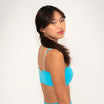
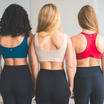
The Bleum Bra is designed with sensory comfort in mind. It is wire-free, tag-free, and made with minimal seams, while the ultra-soft, double-layer fabric provides smooth coverage without padding. Adjustable straps help fine-tune the fit, and the moisture-wicking fabric makes it comfortable for everyday wear. It is also reversible, with two colors in one bra. The Bleum Bra costs $24 and comes in sizes 6 through 24, with Bleuet recommending band measurement as the main guide when choosing a size.
Another problem worth discussing is the fiddling that comes from parts refusing to stay put. Removable pads that migrate in the wash, flipping and bunching, create fresh irritation every laundry day.

Styles with padding sewn in place sidestep that entirely. The Bleum Petal Padded Bra keeps its pads sewn inside the same super-soft, reversible fabric as the Bleum Bra, so nothing drifts or needs fishing out. It costs $25 in sizes 7/8 to 24.
Hence, matching the style to the trigger does the rest. If hooks and adjusters are the problem, a pull-on bra with no clasp removes the dig point before it starts. If shifting parts drive the fidgeting, a sewn-in pad holds steady through a full day of movement. Parents weighing how fabric and fit affect a sensitive body will find more depth in the guides on sensory-friendly undergarments for teens and clothes for kids with sensory issues. The goal stays the same: hands busy with the school day, not with the bra.
Importantly, also hand over some control. Offering two acceptable styles and letting a tween pick between them beats presenting one take-it-or-leave-it option. The goal is "I forget I'm wearing it." Autonomy over that choice does as much for comfort as the construction.
Wash New Bras and Briefs Before the First Real Wear
Straight from the package, a new bra or brief carries a stiffness that has nothing to do with fit. Fabric finishes applied during manufacturing can leave a slight coating, and fresh elastic sits firmer than it will after a few cycles. To a sensitive tween, that factory feel registers as scratchy or tight, and a garment that would pass a short wear test after washing gets rejected on day one.
A quick laundering routine takes most of that edge off:
- Run it through one or two wash cycles before the first real wear, using a gentle, fragrance-free detergent if scent is one of the triggers.
- Skip fabric softener and dryer sheets if the teen reacts to a "film" left on fabric, since that residue can create its own coated feel.
Drying changes the result too. Line-drying leaves some knits stiff, which defeats the purpose. A low-heat tumble, or a brief tumble to loosen the fabric followed by air-drying, tends to land softer. Bleuet's own care guidance is to wash cold with like colors and tumble dry low or line dry, which preserves softness and fit.
The routine does not end at the first wash. Worn-out fabric creates fresh hot spots where there were none: a pilled knit starts to catch, a flat seam begins to feel raised, stretched elastic slides and bunches instead of staying put. When a trusted piece starts drawing complaints again, that is the signal to retire it rather than troubleshoot a garment past its comfortable life. Rotating in a fresh duplicate keeps the safe set feeling safe.
Changing the Uniform Before Changing the Morning
School dress codes rarely bend for a scratchy collar or a stiff polo seam, and that is where many families hit a wall. The garment is mandatory, the fabric is rough, and the morning has to happen regardless. The smarter first move is quieter: practice the new piece after school or on a weekend, when a bad reaction does not derail an entire schedule. A teen who wears an uncomfortable uniform under low-stakes conditions has room to problem-solve instead of melt down at 7 a.m.
A few strategies do the heavy lifting without any special shopping. A soft layer under a rougher uniform fabric puts smooth material against the skin first, so the scratchy shirt never touches directly. Pairing that with smooth underwear and a tag-free bra keeps the layer closest to the body calm.

When the uniform piece itself is the problem, a specific accommodation request works better than a vague one. Asking a teacher or administrator for permission to wear an approved undershirt beneath the uniform, or an alternate fabric version of the same required piece, gives the school a concrete option to approve. The Bleum Camisole is built for that job: ultra-soft, lightweight heather fabric with a built-in shelf bra, adjustable straps, minimal seams, and no tag. It costs $26 and comes in sizes 6 to 22.
Build a Small Rotation, Not a Single Lifeline
One favored set carries real weight, but it also carries real risk. When a single bra and one pair of briefs hold up the entire comfortable day, laundry night becomes a crisis and a lost item becomes a meltdown. The fix is multiplying the one that already works, so comfort stops hanging on a single garment.
The shopping plan is deliberately boring, and that is the point. Comfort here is a performance tool, the thing that lets a girl concentrate in class, move freely at practice, and fall asleep without fidgeting.
A small, matched rotation protects all three:
| What to Choose | How Much | What to Do |
|---|---|---|
| Underwear | 3 to 5 pairs | Pick one style that passed the home trial and buy enough to cover the week, with a spare for laundry day. |
| Bra or cami | 2 | Choose one comfortable style and keep one to wear while the other is in the wash. |
| Trial period | 7 days | Change only one detail at a time, such as the size, color, or style, so it is easier to tell what works and what does not. |
Buying a few of the same style can also make sizing changes easier as she grows. Bleuet’s bundles let parents stock up on the basics in one go, with bigger savings when more items are added.
Ready to build that rotation? Start with the underwear collection and lean on the deeper guide to sensory-friendly undergarments for teens when a specific trigger needs more detail.
Frequently Asked Questions
What is sensory-friendly clothing, really?
Sensory-friendly clothing is designed to reduce the triggers that irritate sensitive skin: scratchy tags, raised seams, friction points, and fabrics that feel loud against the body. It swaps those for flat or minimal seams, tag-free construction, and softer knits that create less drag. The whole point is comfort and daily function, so a girl can focus on her day instead of her clothes.
Which fabrics are easiest to tolerate for SPD and autism-related sensitivities?
There is no single winner. Modal, TENCEL™ Lyocell, bamboo-derived fabrics, organic cotton, and smooth performance knits all work for some girls and not others. One tween settles into a snug knit while another needs airy and loose. The home wear test is the reliable tiebreaker when a fabric looks right on paper.
How many washes before a new garment might feel okay?
Usually one to two washes before the first real wear, which softens the fabric and relaxes the elastic. If a fabric starts out especially stiff, a couple more cycles help. Skip heavy detergent and fabric softener if residue is itself a trigger, since that coated feel can create its own problem.
What if the school has a strict uniform policy?
Start with a smooth layer under the required piece and practice it outside the morning rush. If the uniform fabric is the real issue, request a specific accommodation: an approved undershirt or an alternate fabric version of the mandatory item. A concrete ask is easier for a school to approve than a vague one.
Can HSA or FSA funds cover sensory clothing?
Sometimes, and it depends entirely on the plan. Some administrators allow it with documentation such as a letter of medical necessity, and many do not. Ask the plan administrator before buying, keep every receipt, and do not count on reimbursement until it is confirmed.
Leave a comment