





10 Best Sensory-Friendly Undergarments for Teens

The Morning Meltdown is a phenomenon many parents of teens know all too well. It starts with a frustrated sigh in front of the mirror and often ends with a pile of discarded clothes on the floor because something—a scratchy tag, a digging wire, or a thick, bunching seam—just feels wrong. For many young people, especially those navigating neurodivergence or high tactile sensitivity, the physical discomfort of traditional clothing can be overwhelming. Finding sensory friendly undergarments for teens isn't just about fashion; it’s about providing the foundational comfort they need to face the day with confidence.
As your daughter transitions from childhood clothing to more mature styles, the market often shifts toward designs that prioritize aesthetics over anatomy. Suddenly, simple cotton basics are replaced by scratchy lace, restrictive elastics, and hardware that pinches. At Bleuet, we function as a nurturing guide for families navigating these shifts. We believe that the first step toward self-assurance is feeling comfortable in your own skin—and that starts with what you wear closest to it. Whether you are looking for bras for sensory issues or sensory underwear that stays in place, this guide is designed to help you find the perfect fit for your teen’s unique needs.
Puberty is a major milestone, and it shouldn't be a source of anxiety. By choosing garments engineered with a sensory-first mindset, you are removing the physical barriers to a successful day. Let’s explore the top options that bridge the gap between childhood comfort and teen style.
1. Bleuet Bleum Bra

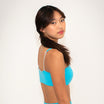
Bleuet specializes in undergarments designed for girls, tweens, and teens navigating the transition between childhood and adolescence. Their flagship Bleum Bra is a reversible, ultra-soft first bra created to deliver smooth coverage, light support, and all-day comfort. With a double-lined design, minimal seams, and a tag-free finish, it creates a soft, low-distraction feel that works well for everyday wear.
The brand’s comfort-first approach prioritizes wearability and confidence over overly mature styling. The Bleum Bra features adjustable straps for a better fit and a reversible two-colour design for added versatility, making it a practical choice for first-time bra wearers. Its moisture-wicking performance fabric also helps keep girls comfortable during school, activities, and warmer days.
-
Key Features: Reversible two-colour design; ultra-soft double-lined construction; adjustable straps; minimal seams and tag-free finish; moisture-wicking performance fabric; machine washable.
-
Pros: Comfortable first bra option for girls, tweens, and teens; reversible design adds versatility; broad size range; easy-care fabric; smooth fit under clothing.
-
Cons: Premium pricing for some families; polyester/spandex fabric may not appeal to shoppers who prefer natural fibres.
-
Best For: Girls, tweens, and teens who need a soft, confidence-boosting first bra with smooth coverage and a simple, comfortable fit.
2. SmartKnitKIDS Seamless Underwear

SmartKnitKIDS offers undergarments that are truly seamless, designed specifically for children and teens with Sensory Processing Disorder (SPD) or Autism. These undies are knitted much like a sock, starting from the toe up, which eliminates all lumps and bumps that usually occur at the side seams or gussets. For a teen who feels every single thread, this construction is a game-changer.
The lack of elastic bands at the waist and legs prevents pinching and binding, which are common triggers for sensory-sensitive individuals. The fabric is breathable and moisture-wicking, ensuring that the wearer stays comfortable throughout the school day without needing to adjust their clothing constantly.
-
Key Features: Completely free of seams; No elastic bands in the waist or legs; Form-fitting second skin design; Moisture-wicking fibers.
-
Pros: Highest level of seam-free construction; Reduces tactile defensiveness; Fits snugly to prevent bunching.
-
Cons: Fabric can feel thicker than traditional cotton; Higher price point per pair.
-
Best For: Teens with severe tactile sensitivity who cannot tolerate any seams or elastic pressure.
3. WunderUndies Bamboo Basics
 \
\
WunderUndies focuses on the use of sustainable bamboo fabric, which is naturally softer and more breathable than standard cotton. Their design philosophy centers on no-pinch comfort, removing the traditional elastic waistbands that often dig into the skin and leave red marks. This is particularly helpful for teens who experience skin sensitivity or dermatographia.
The fabric is naturally hypoallergenic and thermal-regulating, making it an excellent choice for teens who struggle with skin irritation or overheating during the day. The simple, clean aesthetic appeals to those who prefer a minimalist look without the distraction of patterns, bows, or lace.
-
Key Features: Soft-touch bamboo viscose fabric; Wide, fabric-covered waistbands; Tagless interior labels; Hypoallergenic properties.
-
Pros: Extremely soft texture; Eco-friendly material; No elastic-to-skin contact.
-
Cons: Requires gentle laundering; Limited color options.
-
Best For: Teens who prefer natural, eco-friendly fabrics and struggle with elastic-induced skin marks.
4. Apricotton Adjustable Training Bras

Apricotton designs bras that grow with the teen, featuring adjustable straps and moisture-wicking fabrics. Their products are built to handle the physical changes of puberty while maintaining a soft, sensory-friendly profile. The fabric is a blend that prioritizes stretch and breathability, ensuring that the bra doesn't feel restrictive during sports or daily activities.
The brand focuses on a no-stress fit, which is essential for teens who feel anxious about their changing bodies. By allowing for micro-adjustments in the straps, Apricotton helps prevent the slipping strap sensation that can be a major sensory trigger for many girls.
-
Key Features: Adjustable straps for a customized fit; Moisture-wicking performance fabric; Padded options for extra coverage; Wire-free construction.
-
Pros: Grows with the wearer; Great for active teens; Modern aesthetic.
-
Cons: May not provide enough support for larger sizes; Synthetic blend may not suit organic-only preferences.
-
Best For: Active teens who need a bra that adapts to their growth spurts.
5. Modibodi Teen Period Underwear

Modibodi provides a sensory-friendly solution for period protection, which is often a significant source of discomfort for sensitive teens. Their period-proof underwear features a slim, absorbent gusset that eliminates the need for bulky pads or tampons. For a teen with sensory issues, the elimination of the crinkle and bulk of traditional menstrual products can significantly reduce anxiety during their cycle.
The fabric is soft and breathable, designed to look and feel like regular underwear. This allows the teen to move freely without the constant reminder that they are wearing a menstrual product, which can be a major sensory and psychological relief.
-
Key Features: Built-in absorbent technology; Soft, breathable outer fabric; Seamless gusset edges; Various absorbency levels.
-
Pros: Eliminates the sensory noise of pads; Eco-friendly; Discreet.
-
Cons: Specific washing instructions; Higher initial investment.
-
Best For: Teens who find traditional menstrual products physically irritating or overwhelming.
6. Hanna Andersson Organic Cotton Undies

Hanna Andersson is renowned for their HannaSoft organic cotton, which is combed to remove impurities and ensure a smooth finish. Their underwear features flat-lock seams, which lay flat against the skin to prevent rubbing and chafing. The use of OEKO-TEX certified cotton ensures that no harmful chemicals are present, which is vital for teens with chemical sensitivities or eczema.
The classic cuts provide full coverage, preventing the wedgie issues that often plague thinner, less structured undergarments. While the designs are simple, the quality of the cotton provides a level of tactile consistency that sensory-sensitive teens often find comforting.
-
Key Features: 100% organic combed cotton; Flat-lock seam construction; Encased elastic waistbands; OEKO-TEX Standard 100 certified.
-
Pros: Extremely durable; Breathable; Full-coverage fit.
-
Cons: Styling may feel too young for some; Cotton takes longer to dry.
-
Best For: Teens who prefer the classic feel of high-quality cotton and need flat seams.
7. Primary Tagless Basics

Primary offers a straightforward, no-frills approach to undergarments. Their teen line is entirely tagless and features smooth, stretchy fabrics that prioritize comfort over fashion trends. By avoiding lace, bows, and unnecessary embellishments, Primary reduces the number of potential sensory triggers that can make a long school day feel unbearable.
The vibrant, solid colors allow teens to express themselves without the physical irritation of printed patterns or textured fabrics. Their everyone is welcome philosophy means the cuts are inclusive and designed for a wide range of body types, ensuring a reliable fit across the board.
-
Key Features: Completely tagless design; Lace-free and embellishment-free; Soft, stretchy cotton-spandex blend; Inclusive color palettes.
-
Pros: Affordable multi-packs; Simple design; Consistent fit.
-
Cons: Thinner fabric than premium brands; Elastic is not always fabric-covered.
-
Best For: Teens who want simple, colorful basics without any decorative irritants.
8. Lucky & Me Jada Organic Cotton Collection

Lucky & Me focuses on creating high-end basics using organic cotton and lace-free trims. The Jada collection is specifically designed for older girls and teens, featuring a soft, fabric-covered waistband that prevents the elastic from touching the skin. The leg openings are also finished with smooth binding rather than exposed elastic.
This attention to detail ensures that there are no dig-in points, making them a favorite for teens who are prone to skin marking and irritation. The GOTS certified organic cotton is incredibly soft and holds up well to frequent washing, maintaining its shape and texture over time.
-
Key Features: GOTS certified organic cotton; Fabric-covered waist and leg bands; Tag-free; Smooth flat-lock stitching.
-
Pros: High-quality organic materials; Very gentle on skin; Sophisticated colors.
-
Cons: Sizing can run small; Limited retail availability.
-
Best For: Teens with sensitive skin who need a soft, organic cotton option with covered elastic.
9. Target Cat & Jack Sensory-Friendly Line

Target's Cat & Jack brand has pioneered affordable sensory-friendly clothing for the mass market. Their undergarments feature heat-transferred labels instead of tags and flat seams to minimize irritation. While they are a more budget-friendly option, they still incorporate key sensory-friendly elements like soft, cotton-rich fabrics and comfortable waistbands.
This line is an accessible entry point for families looking to test sensory-friendly options without a significant financial commitment. It’s a great way to stock up on basics that you know won't cause a morning meltdown without breaking the bank.
-
Key Features: Heat-transferred tags; Flat-seam construction; Cotton-spandex blend; Budget-friendly.
-
Pros: Widely available; Affordable; Good variety.
-
Cons: Not as soft as TENCEL or bamboo; Lower durability.
-
Best For: Parents looking for an affordable, accessible way to address mild sensory issues.
10. Fruit of the Loom Seamless Smoothies

Fruit of the Loom's Seamless Smoothies line is designed to provide a smooth look under clothing while offering a comfortable, tag-free experience. These garments are made from a flexible, synthetic blend that stretches to fit the body's contours without the use of heavy elastic. For teens who prefer a sporty feel and a very thin fabric profile, these are a solid mass-market choice.
The seamless sides prevent the common irritation found in traditional side-seamed underwear. Because they are lightweight and quick-drying, they are also a good option for teens who participate in sports or have high activity levels throughout the day.
-
Key Features: Seamless sides and back; Tag-free comfort; Flexible 4-way stretch; Lightweight.
-
Pros: Very affordable; Invisible under leggings; Quick-drying.
-
Cons: Synthetic material may irritate eczema; Less structure than cotton.
-
Best For: Teens who want a lightweight, barely-there feel at a value price point.
The Science of Comfort: A Buying Guide for Sensory-Friendly Undergarments
When shopping for sensory friendly undergarments for teens, it helps to understand the technical aspects that differentiate a standard garment from a sensory-first one. The goal is to find clothing that becomes invisible to the wearer, allowing them to focus on their day rather than their clothes.
Fabric Choice: The Foundation of Feel
The fiber content of a garment is the biggest predictor of how it will feel against the skin.
-
TENCEL™ & Modal: These are semi-synthetic fibers made from wood pulp (usually eucalyptus or beech). They are significantly smoother than cotton and have a cool-to-the-touch feel that is excellent for teens who overheat.
-
Organic Cotton: Look for combed cotton, which has had the shorter, scratchier fibers removed. Organic cotton is also free from pesticide residues that can irritate sensitive skin.
-
Bamboo: Naturally hypoallergenic and incredibly soft, bamboo is a favorite for those with extreme tactile defensiveness.
Seamless vs. Flat-Lock
The term seamless can be confusing. In the world of sensory underwear, it usually refers to one of two things:
-
Circular Knit: This is true seamless construction, where the garment is knitted in a tube, like a sock. There are no side seams at all.
-
Flat-Lock Seams: These are seams that are sewn to lie completely flat against the fabric rather than sticking out. While not seamless, they significantly reduce friction and chafing.
Preventing the Wedgie and Other Distractions
For many girls, the transition from childhood cuts to teen styles can lead to fit issues. A common complaint is the undies toddler little girl wedgie sensation, which often happens when a teen is wearing a cut that is too narrow in the back or has weak elastic. Look for full-coverage designs and fabric-covered elastics to ensure the garment stays in place without digging in.
The Confidence Catalyst: How to Talk to Your Teen
Puberty is a vulnerable time. When discussing undergarments, frame the conversation around comfort and empowerment. Instead of focusing on needing a bra, focus on finding tools that help them feel their best. Ask specific questions: Does this feel tight on your shoulders? or Is the waistband bothering you today? By prioritizing their physical comfort, you are showing them that their needs are valid, which builds long-term confidence.
Helpful Resources for Your Journey
Navigating the world of teen development can be complex. When choosing the right fit, it's helpful to know the average bra size for a 14 year old to ensure you're starting with the right measurements. If you're wondering when do girls start wearing bras, our guide covers the emotional and physical milestones you should look for. Explore our full range of bras for teens to find the perfect match for your daughter's sensory needs.
Conclusion
Choosing the right sensory friendly undergarments for teens is an investment in your daughter’s daily well-being. During a time of life when so many things are changing, having a reliable, comfortable foundation can make all the difference. By prioritizing sensory-first designs—like those found in our Bleum and Chloe collections—you are giving your teen the gift of tactile peace. When she doesn't have to worry about her clothes, she is free to focus on being herself. At Bleuet, we are honored to be your partner in this journey, providing the comfort and education needed to turn every developmental milestone into a positive experience.
Ready to transform your teen's morning routine? Shop today!
Frequently Asked Questions
What are the best materials for sensory-friendly underwear?
Natural, breathable fibers like TENCEL™, Modal, and Organic Cotton are the gold standard. These fibers are structurally smoother than traditional polyester or low-grade cotton, meaning they are less likely to cause the micro-itching that bothers sensory-sensitive teens. TENCEL™, in particular, is known for its silk-like texture and moisture management.
How can I ensure the right fit for sensory-sensitive teens?
We recommend measuring at home in a calm environment to avoid the mall trauma of bright lights and crowded fitting rooms. Look for brands that offer flexible sizing or comfort-stretch elastic. If your teen is between sizes, it is often better to size up; a slightly looser fit is usually more tolerable for sensory-sensitive individuals than something that feels restrictive or squeezing.
Why does my daughter refuse to wear a bra?
Refusal is often a reaction to specific sensory triggers: scratchy tags, digging underwires, or straps that slip and require constant adjustment. For a teen with sensory processing issues, these aren't just minor annoyances—they are physical distractions that can cause genuine distress. Switching to sensory-first engineering, like the wire-free and tagless designs at Bleuet, often solves the problem by removing the triggers entirely.
What is a reversible bra for girls and why do they need it?
A reversible bra, like the Bleum Bra, offers two colors in one, but the real benefit is in the construction. Because it is designed to be worn both ways, it is double-layered with all seams tucked inside. This creates a smooth surface against the skin on both sides, providing superior sensory comfort and extra coverage without the need for bulky padding.
Leave a comment