



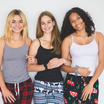

10 Best Sensory-Friendly Undergarments for Tweens: A Guide to Comfort and Fit

If you have ever experienced the Morning Meltdown, you know it is more than just a bad mood. For parents of sensory-sensitive children, the simple act of getting dressed can become a battlefield of itchy tags, pinching elastics, and scratchy seams. As your child enters puberty, this challenge often intensifies. Finding sensory friendly undergarments for tweens becomes a top priority to ensure their physical and emotional comfort during a time of significant change. At Bleuet, we believe the transition to age-appropriate undergarments should be a positive milestone—a confidence catalyst—rather than a source of daily anxiety.
Many families fall victim to the sensory tax—the hidden cost of buying dozens of items that end up sitting at the bottom of a drawer because they feel wrong. By understanding the technical aspects of clothing, such as the difference between organic cotton and TENCEL, or the benefit of flat-lock seams, you can eliminate tactile triggers before they cause distress. As a supportive mentor in your parenting journey, we want to help you navigate this transition with ease, focusing on high-quality undergarments that respect your child’s developing body and their unique sensory profile.
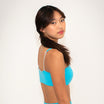
1. Bleuet Bleum Bra

The Bleum Bra is designed as the ultimate first step for tweens entering puberty. Designed with a sensory-first philosophy, it features a reversible design that allows the wearer to choose the side that feels best against their skin. The fabric is an ultra-soft, moisture-wicking blend that provides gentle support without the restriction of wires or heavy padding. It utilizes a signature plush elastic, this bra minimizes the risk of skin irritation. It serves as a confidence catalyst, framing the first undergarment experience as a comfortable, natural progression rather than a stressful change.
-
Key Features: Reversible design for versatile wear; Seamless, wire-free construction; Tag-free with a soft, printed size label; Moisture-wicking, high-quality performance fabric; Double-layered for modest coverage without bulk.
-
Pros: Ultra-soft feel suitable for highly sensitive skin; No itchy tags or scratchy hardware; Durable enough for daily wear and frequent washing; Inclusive sizing for various developmental stages.
-
Cons: Premium price point compared to mass-market brands; Limited color palette focused on neutrals and soft tones.
-
Best For: Tweens with sensory processing sensitivities looking for a seamless, barely-there first bra experience.
2. Apricotton Bra

Apricotton focuses on the rapid growth spurts associated with the tween years. Their signature bras utilize a 4x stretch fabric that expands as the child grows, ensuring the fit remains consistent over several months. This wireless design is specifically tailored to be un-bra-like, avoiding the structured feel that many sensory-sensitive children find overwhelming. The fabric is breathable and lightweight, making it a strong choice for active tweens who need foundational support that doesn't trap heat or cause friction during movement.
-
Key Features: 4x stretch fabric technology; Adjustable straps for a customized fit; Wireless and padding-free design; Breathable, moisture-wicking materials.
-
Pros: Grows with the child, extending the life of the garment; Extremely lightweight and non-restrictive; Tagless design reduces tactile irritation.
-
Cons: May not provide enough support for larger chest sizes; Minimal coverage for those seeking thicker padding.
-
Best For: Tweens experiencing rapid growth who need a flexible, stretchy fit.
3. Lucky & Me Bella Organic Cotton Underwear

Lucky & Me addresses the common issue of wedgies and digging waistbands with their Bella line. These young girls underwear options are crafted from GOTS-certified organic cotton blended with a touch of spandex for shape retention. The standout feature is the ComfySeam technology, which ensures that seams lie flat against the skin to prevent chafing. The lace trim is designed to be super-soft and non-scratchy, providing a feminine aesthetic without the typical sensory drawbacks of decorative elements.
-
Key Features: GOTS-certified organic cotton; ComfySeam flat-lock stitching; Soft, fabric-covered waistbands; Tagless construction.
-
Pros: Organic materials are ideal for sensitive skin and allergies; Flat seams prevent the digging sensation; High durability even after multiple washes.
-
Cons: Higher price point for a multi-pack; Lace trim may still be a deterrent for the most extreme sensory sensitivities.
-
Best For: Parents looking for high-quality undergarments that prioritize organic materials and flat seams.
4. WunderUndies Bamboo Basics

WunderUndies are specifically designed for children with neurodivergent needs, such as Autism or ADHD, where tactile sensitivity is heightened. These undergarments feature an elastic-free waistband, meaning the tension is distributed through the fabric itself rather than a thin, pinching band. Made from a bamboo blend, the fabric is naturally antimicrobial and exceptionally soft. The design is intentionally minimalist to reduce any potential fidget points or areas of discomfort.
-
Key Features: Elastic-free waistband design; Bamboo-derived viscose blend; Completely tagless; Minimalist, seam-reduced construction.
-
Pros: Eliminates the pinching feeling at the waist; Bamboo fabric is cooler than traditional cotton; Specifically designed for neurodivergent sensory profiles.
-
Cons: Limited style and color options; Fabric can take longer to air dry.
-
Best For: Tweens who experience emotional dysregulation due to pinching waistbands or tight elastics.
5. SmartKnitKIDS Seamless Underwear

SmartKnitKIDS offers a truly seamless experience. Unlike many brands that claim to be seamless but still have flat-locked joins, these are knitted like a sock, resulting in a garment with no seams at all. This is the gold standard for children with Sensory Processing Disorder (SPD). The material is form-fitting without being restrictive, ensuring that the garment doesn't bunch up under clothing, which is a frequent trigger for sensory meltdowns.
-
Key Features: Patented seamless knitting process; No elastic bands or heels; Moisture-wicking corespun yarns; Non-binding fit.
-
Pros: Zero seams to cause irritation; Fits like a second skin to prevent bunching; Highly recommended by occupational therapists.
-
Cons: Aesthetic is very functional and plain; Can be expensive for a single pair.
-
Best For: Tweens with severe tactile defensiveness who cannot tolerate any seams or ridges.
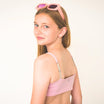
6. Yellowberry Lily Bra

Yellowberry was a pioneer in the niche of age-appropriate foundational wear. The Lily Bra is a double-layered cotton bra that provides a thick, secure feel without the need for padding. It is designed to be a starter bra that feels like a camisole but offers the support of a traditional undergarment. The focus is on high-quality, hybrid-cotton fabrics that are soft to the touch and provide full coverage, ensuring the tween feels protected and comfortable throughout the school day.
-
Key Features: Double-layered high-quality cotton; No padding or wires; Adjustable racerback straps; Wide bottom band for stability.
-
Pros: Excellent coverage for modest preferences; Sturdy construction that holds up well in the wash; Simple, classic aesthetic.
-
Cons: Cotton can retain moisture during heavy sports; Straps may be slightly thicker than other seamless options.
The quality is amazing. It’s the perfect first step for a girl who isn't ready for a 'real' bra but needs the coverage.
7. Cat & Jack Sensory-Friendly Line

Target’s Cat & Jack sensory-friendly line brings accessibility to the forefront. These young teen underwear options are designed with flat seams and no tags, specifically catering to the needs of the neurodivergent community at a more accessible price point. The fabrics are soft and the designs often include easy-on features. While they are mass-produced, they follow many of the design cues of premium sensory brands, making them a great entry-level option for families testing out sensory-friendly clothing.
-
Key Features: Flat-lock seams; Tagless labels; Soft cotton-modal blends; Budget-friendly multi-packs.
-
Pros: Very affordable and easy to find; Reliable sizing; Good variety of colors and patterns.
-
Cons: Fabric may thin out faster than premium brands; Elastic can sometimes be felt through the fabric casing.
8. Hanna Andersson Organic Cotton Basics

Hanna Andersson is renowned for their Hanna-soft cotton, which is OEKO-TEX Standard 100 certified. This means the garments are tested for over 100 harmful substances, making them ideal for tweens with skin sensitivities or eczema. Their underwear for 12 year olds girl sizes feature smooth, encased elastics and flat-lock seams. The weight of the cotton is slightly heavier than average, which provides a sense of durability and security that many sensory-sensitive children find grounding.
-
Key Features: 100% organic combed cotton; OEKO-TEX Standard 100 certified; Encased elastics at waist and legs; Flat-lock seams.
-
Pros: Incredibly durable; colors don't fade; Safe for extremely sensitive or reactive skin; Softens with every wash.
-
Cons: Heavier fabric may be too warm for some; Not a seamless knit, though seams are flat.
9. Pact Organic Cotton Smooth Fit

Pact focuses on Earth's Favorite Fiber—organic cotton—produced in Fair Trade Certified factories. Their tween undergarments are designed for a smooth fit that minimizes bulk under clothing. The waistbands are typically soft and fabric-covered to prevent the rubbery feel of exposed elastic. For the conscious consumer, Pact offers a blend of sustainability and sensory awareness, ensuring that the clothes are as kind to the planet as they are to the wearer's skin.
-
Key Features: Fair Trade Certified organic cotton; Tear-away or printed tags; Fabric-covered waistbands; No toxic chemicals or dyes.
-
Pros: Ethically and sustainably made; Very soft, breathable texture; Affordable for organic quality.
-
Cons: Sizing can sometimes run small; Minimalist designs may not appeal to all tweens.
Soft, simple, and I feel good about where they come from. My daughter likes the smooth fit.
10. TomboyX Soft Bra & Essentials

TomboyX is known for its radical inclusivity and focus on fit. Their Essentials line for younger wearers features high-quality MicroModal fabric, which is twice as soft as cotton and highly resistant to shrinkage. The waistbands are signature stay-put bands that are designed not to roll or pinch. This brand is particularly popular among tweens who prefer a more athletic or gender-neutral aesthetic while still requiring the highest level of tactile comfort.
-
Key Features: Ultra-soft MicroModal fabric; Wide, non-rolling waistbands; Inclusive range of styles (bralettes, trunks, briefs); OEKO-TEX certified.
-
Pros: Fabric feels silky and cool to the touch; Excellent for tweens who dislike girly styles; Very high comfort rating for waistbands.
-
Cons: MicroModal can be slippery under certain fabrics; Higher price point per item.
The Parent’s Checklist for Sensory-Friendly Shopping
When shopping for sensory-friendly undergarments, keep this checklist in mind to ensure you are making the best choice for your tween:
-
Fabric Choice: Look for Organic Cotton, TENCEL, or Bamboo. These fibers are breathable and significantly softer than synthetic polyester, which can trap heat and cause itching.
-
Seams vs. Seamless: Flat seams (flat-lock stitching) are sewn to lie flat against the skin, while seamless garments are often knitted in one piece. For severe sensitivity, truly seamless is best.
-
Tagless is Non-Negotiable: Ensure the size and care instructions are printed directly on the fabric. Even tear-away tags can leave a scratchy residue.
-
Sewn-In Pads: For tweens who want modest coverage, sewn-in pads are a sanity-saver. Removable pads often bunch up or get lost in the laundry, creating a tactile nightmare.
-
Involve Your Tween: Empowerment comes from choice. Let your child touch the fabrics and choose the colors to help them feel in control of their changing body.
Prioritizing Comfort for a Confident Future
The transition through puberty is a vulnerable time, and the right foundational wear can make all the difference. By prioritizing comfort and sensory-first design, you are doing more than just buying clothes; you are investing in your child’s daily well-being and body confidence. Reducing the physical stress of uncomfortable clothing allows your tween to focus on what really matters—school, friendships, and discovering who they are. We hope this guide helps you find the perfect sensory friendly undergarments for tweens to make every morning a little brighter and every milestone a little easier.
Frequently Asked Questions
What makes an undergarment sensory-friendly?
Sensory-friendly undergarments are designed to eliminate common tactile triggers. This involves the absence of irritants like scratchy tags, metal wires, and thick, protruding seams. Instead, they use ultra-soft, breathable fabrics, flat-lock stitching, and non-constricting waistbands that distribute pressure evenly.
How do I know if my tween needs sensory-friendly bras or underwear?
Look for signs of physical discomfort, such as constant adjusting, tugging at waistbands, or complaints about itching. Some children may refuse to wear certain items altogether or experience emotional meltdowns during morning routines. While neurodivergent children often benefit most, any child can prefer the increased comfort of sensory-friendly designs.
Are seamless bras supportive enough for sports?
Yes! Many brands, including Bleuet, offer different levels of compression. While a seamless bra might feel barely there, high-quality performance fabrics can provide excellent support for low-to-medium impact activities like dance, gymnastics, or daily PE classes without the discomfort of traditional, restrictive sports bras.
How should I wash sensory-friendly undergarments to keep them soft?
To maintain the integrity of specialized fibers, we recommend using gentle cycles and mild detergents. Avoid fabric softeners, as they can sometimes degrade moisture-wicking properties or leave a chemical residue that irritates sensitive skin. Air drying or using a low-heat setting will also help prevent the elastic from becoming brittle or scratchy.
Leave a comment