










Training Bra vs Sports Bra: Which Does She Need?

Shopping for your daughter’s first bras can bring up more questions than you expected. You want something she’ll actually feel comfortable wearing, something that gives her enough coverage, and something that does not make this new stage feel bigger or more awkward than it needs to be. That is usually where the training bra vs sports bra question starts. Both can be useful, but they are not designed for the same moments.
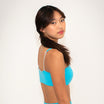
A training bra is often about gentle coverage, softness, and helping her get used to wearing a bra for the first time. A sports bra is made for movement, gym class, practice, and days when she needs a little more support. The right choice depends on her body, her comfort level, and what she is doing day to day.
This guide explains the differences between training bras and sports bras, when each one makes sense, and how to choose the right option for your daughter.
By the end, choosing her first bras should feel less like guesswork and more like a calm, confident next step.
What Is a Training Bra, Actually?
The term "training bra" has been around for decades, but it gets thrown around loosely. At its core, a training bra is a lightweight, softly structured bra designed for girls who are just beginning puberty. Breast development at this stage is minimal, often just small buds under the skin, so there is no need for underwire, heavy padding, or serious support.
What a training bra does offer:
Coverage and modesty. Many girls become suddenly self-conscious about their chests when development begins, even before there is much to see. A thin layer of fabric under a shirt can make a real difference in how comfortable she feels at school or with friends.
A gentle introduction to bras. Wearing a bra is a new physical sensation. Training bras are soft, stretchy, and simple enough that a girl can get used to the feeling without being overwhelmed by clasps, underwire, or complicated sizing systems.
Light shaping. At the early stages of development, breast tissue is sensitive. A training bra offers a soft barrier against friction from clothing, which can be surprisingly uncomfortable when buds first appear.
Confidence during a vulnerable time. Puberty is emotionally charged territory. Having the right undergarments, ones that fit well and look age-appropriate, gives many girls a quiet sense of control during a time when so much feels out of their hands.
Training bras typically come in small numeric sizes (like 28A or 30AA) or in simple XS/S/M sizing. They are usually made from soft cotton or cotton blends and designed to be worn all day, including at school, on weekends, and under any regular outfit.
What Is a Sports Bra Designed to Do?
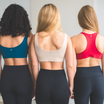
A sports bra is built around one primary function: reducing breast movement during physical activity. When the body moves, especially during running, jumping, gymnastics, or dance, breast tissue moves too. That motion can cause discomfort, and over time, it can contribute to stretching of the delicate Cooper's ligaments that give breasts their shape.
For girls and teens who are more developed, a good sports bra is not optional during intense activity. It is genuinely protective.
Here is what sets a sports bra apart:
Compression or encapsulation support. Sports bras work by pressing breast tissue closer to the chest wall (compression style) or by surrounding each breast in its own cup (encapsulation style). Either way, the goal is to reduce bounce.
Moisture management. Most sports bras are made from technical fabrics that pull sweat away from the skin, which helps prevent chafing and keeps a girl comfortable during practice.
A secure, locked-in fit. Sports bras are intentionally snug. Unlike everyday bras, they should feel firm around the ribcage and across the chest to do their job during movement.
Durability through repeated washing. Sports bras are built to be washed frequently since they are worn during sweaty activities. Good ones hold their shape and elasticity through many laundry cycles.
For girls who are just beginning puberty with minimal development, a training bra may actually hold up fine during light physical activity like a gym class or casual bike ride. The issue arises when the activity is more intense and the level of development requires real support.
Training Bra vs Sports Bra: The Key Differences Side by Side
It helps to see this clearly. Here is how the two stack up across the categories that matter most:
|
Feature |
Training Bra |
Sports Bra |
|
Primary purpose |
Everyday coverage and comfort |
Reducing movement during activity |
|
Level of support |
Light |
Moderate to high |
|
Fabric |
Soft cotton or modal blends |
Technical moisture-wicking fabrics |
|
Best worn during |
School, daily life, lounging |
Sports, exercise, active play |
|
Fit feel |
Soft and gentle |
Firm and compressive |
|
Suitable for |
Early development stages |
Any stage, especially with more development |
|
Underwire |
Never |
Sometimes, in higher-support versions |
One important note: a sports bra is not a replacement for a training bra in everyday life. Wearing a compressive sports bra all day, every day, can actually become uncomfortable. The firm band and compressive fabric are designed for shorter activity windows, not eight hours of school. Similarly, a training bra is not appropriate for intense physical activity once a girl has meaningful breast development, because it simply is not built to reduce movement.
When Should She Start Wearing a Training Bra?
There is no universal age for this. Girls begin puberty anywhere from eight to thirteen years old, and breast development is one of the earliest signs. Most girls are ready for a training bra when they start noticing breast buds, small, tender lumps under the nipple area, or when they feel self-conscious about the shape showing through their shirts.
Some signs it might be time:
-
She mentions that her chest feels sore or sensitive
-
She is pulling at her shirt or crossing her arms across her chest
-
Breast buds are visible through clothing
-
She has asked about bras or noticed that friends are wearing them
-
She seems uncomfortable during gym class or activities
There is no harm in introducing a training bra early if she wants one and finds it comforting. Some girls are eager. Others resist for a while. Let her lead as much as possible and avoid making it a big production. A low-key shopping trip or a quiet conversation goes a long way.
When Does She Need a Sports Bra?
Once she is physically active, a sports bra belongs in her gym bag. This is true even at the earliest stages of development. Even small breast buds are sensitive tissue, and movement during sports can be uncomfortable without any support at all.
The level of sports bra she needs will depend on her activity and how developed she is:
Light activity (yoga, walking, early gym class): A basic stretchy sports bra with light compression works well. This can overlap with some training bra styles for girls with minimal development.
Moderate activity (recreational sports, dance, swimming): A medium-support sports bra with a secure band and more coverage is a better fit.
High-impact activity (running, gymnastics, basketball, volleyball): A high-support sports bra with wide straps and a firm underband is important, especially once development is more established.
One thing that often surprises parents: many girls do not realize how much more comfortable they are during sports when they have proper support. If she has been playing through discomfort without mentioning it, introducing a well-fitting sports bra can genuinely change how much she enjoys physical activity.
Can a Sports Bra Work as a Training Bra?
This is one of the most common sports bra vs training bra questions, and the answer is: sometimes, but not always.
For girls with very little breast development, a lightweight sports bra can double as a training bra for everyday wear. The fit is comfortable enough, the coverage is adequate, and it handles both a casual school day and a gym class without needing a wardrobe change.
However, as development progresses, wearing a compressive sports bra all day starts to feel restrictive. The firm band can dig in after a few hours, and the compressive fabric can feel stifling when you are sitting at a desk, not moving. At that point, she really does benefit from having both: a training bra or soft everyday bra for daily life, and a sports bra for activity.
The reverse, using a training bra for sports, becomes an issue sooner. Once breast development reaches the point where movement causes discomfort, a training bra is no longer sufficient for anything with real impact.
Getting the Fit Right: What to Actually Look For
A poorly fitting bra is worse than no bra at all. It pinches, rides up, and defeats the whole purpose. Here is what a good fit looks like for each type.
For a Training Bra
The band should sit level. It should rest parallel to the ground across her back, not ride up toward her shoulder blades. If it rides up, the band is too loose.
Straps should not dig in. They should stay in place with light tension. If she is constantly adjusting them, the straps are likely too short or the band too loose.
No gaping at the cups. If the fabric puckers away from her chest, the cup is too large. If her breast tissue spills over the edge, she needs a larger size.
Comfortable all day. She should be able to forget she is wearing it. If it is itching, pinching, or rolling up, something is off.
For a Sports Bra
The band should feel snug but not suffocating. She should be able to fit two fingers under the band, but it should not be so loose that it moves around during a jumping jack.
Straps should not slip. During movement, straps that slide off the shoulder mean the bra is not doing its job.
No movement. Ask her to do a few jumps in the fitting room or at home before committing to a size. If there is significant bounce, she needs a higher support level or a smaller size.
No chafing points. Any seam or edge that rubs during stillness will become unbearable during a forty-five minute practice.
Sizing in bras, especially for younger girls, can feel confusing because the numbers and letters mean something specific. Some brands skip traditional sizing entirely and use XS to L or similar systems for training bras, which makes things easier for girls who are not yet ready for cup-and-band sizing.
Does She Need Both?
Honestly, yes. Once she is active in any real way, having both a training bra (or soft everyday bra) and a sports bra is the setup that serves her best. Think of it the way you think about shoes. You would not ask her to wear running shoes to a formal dinner, but you also would not send her to soccer practice in dress shoes. The right tool for the right situation makes a difference.
A practical starter kit might look like two or three training bras for everyday rotation plus one or two sports bras suited to her activity level. As she grows and her development progresses, the everyday bras will graduate from training styles to more supportive options, but the principle stays the same.
While you are building out her undergarment drawer, it is worth thinking beyond bras too. Soft, breathable everyday underwear makes a huge difference during puberty. Bleuet's girls cotton underwear is designed with comfort as the priority, which matters a lot when her body is changing and sensitivity is higher than usual.
Common Mistakes to Avoid
Buying too far ahead. It is tempting to stock up in larger sizes she can grow into, but bras that are too big do not provide support and can actually feel embarrassing or uncomfortable to wear. Buy for where she is now and revisit every few months as needed.
Skipping the sports bra because she is not very developed. Even minimal breast tissue is sensitive, and friction during sports is real. A lightweight sports bra from the start builds good habits and protects tender tissue.
Ignoring her preferences. If she finds a certain style scratchy, or hates the clasp, or refuses to wear a particular color, that is worth listening to. Bras she will actually wear are far more useful than perfect bras sitting in a drawer.
Treating sports bras as all-day bras. Compression fabrics are designed for activity windows. For girls who spend hours at a desk, in class, or relaxing at home, a softer everyday option is more appropriate.
Waiting for her to bring it up. Many girls are too embarrassed to ask. Watch for the physical signs of development and start the conversation gently. She may be relieved you noticed.
Puberty Preparedness
Bras are just one piece of the puzzle when it comes to preparing a girl for puberty. Periods often arrive not long after breast development begins, sometimes within a year or two. Having the right underwear options ready in advance takes a lot of the stress out of that first period.
About Bleuet

Bleuet creates soft, comfortable undergarments for girls and teens as they move through puberty, growth, and everyday life. From first bras to breathable underwear and leak-proof options, every piece is designed with comfort, confidence, and age-appropriate support in mind. For parents, Bleuet makes shopping feel simpler by offering essentials that are gentle on sensitive skin, easy to wear, and made for real routines like school, sports, lounging, and first periods. For girls, the focus is on feeling secure without feeling restricted, awkward, or rushed into styles made for adults. Whether your daughter is ready for a training bra, needs a sports bra for activity, or is building her first puberty essentials drawer, Bleuet helps make each step feel calmer and more comfortable.
Explore Bleuet’s full collection of thoughtfully designed girls’ undergarments!
Conclusion
The training bra vs sports bra question does not have a single answer because both garments do different jobs. A training bra is her everyday companion through the early stages of development: soft, comfortable, and designed for the long hours of regular life. A sports bra is her partner for movement: firm, supportive, and built to keep up with whatever sport or activity she loves.
She does not have to choose between them. She needs both, introduced at the right time and fitted properly. When you get those two things right, bras stop being a source of anxiety and start being something she does not have to think about at all. And that is exactly where you want her to be.
If you are building out her puberty essentials kit and are not sure where to start, explore Bleuet's full range of age-appropriate undergarments designed specifically for girls and teens. Everything is built with her comfort, her body, and her confidence in mind.
FAQs
Is a sports bra the same as a training bra?
No, a sports bra is not the same as a training bra. A training bra is usually made for everyday comfort, light coverage, and helping a girl get used to wearing a bra for the first time. A sports bra is designed for movement, exercise, gym class, and activities where she needs more support. Some lightweight sports bras can work as everyday bras in the early stages, but they are still made with a different purpose in mind.
What is the 3 bra rule?
The 3 bra rule is a simple way to make sure your daughter always has enough clean bras in rotation. One bra is being worn, one is in the wash, and one is ready to wear. For girls who are active, it can help to have more than three, especially if she needs both everyday training bras and sports bras for gym class or practice.
When should a girl stop wearing training bras?
A girl should stop wearing training bras when they no longer give her enough coverage, comfort, or support. This usually happens as breast development progresses and she needs a more structured everyday bra or a supportive sports bra for activity. There is no exact age, so the best guide is fit. If the bra feels too small, rides up, gaps, digs in, or does not feel comfortable anymore, it is time to size up or move to a different style.
Can a tight bra make GERD worse?
Yes, a very tight bra can make GERD symptoms feel worse for some people, especially if the band puts pressure around the ribs or upper stomach. Tight compression can add pressure to the abdomen, which may contribute to reflux discomfort. For girls and teens, bras should feel secure but never painfully tight. If a bra leaves deep marks, causes discomfort, or feels hard to breathe in, it is likely too small or too compressive.
Leave a comment