








Best Organic Cotton Teen Bra Options for Comfort and Fit
Choosing organic materials isn't just about being eco-conscious; it’s about protecting developing skin from harsh chemicals and ensuring maximum breathability during a time when the body is undergoing rapid changes.
In this comprehensive review, we will explore the top-rated options that prioritize organic and sustainable fabrics. We have curated the best choices to ensure your daughter feels supported, comfortable, and, most importantly, like herself.
1. Bleuet

Featured Choice for Ultimate Comfort
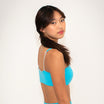
Bleuet has established itself as a leader in the premium niche by focusing specifically on the needs of the 8–16 tweens and teens. Their organic collection is designed with a "sensory-first" philosophy. These bras are crafted from a high-quality blend of organic cotton and modal, which provides a silkier feel than standard cotton while maintaining superior breathability. The inclusion of OEKO-TEX 100 certified fabrics ensures that no harmful substances touch your daughter’s skin during these critical developmental years.
The Aster line features a brilliant reversible design, essentially giving you two bras in one. This is a game-changer for busy families, allowing for more fit and style options. By removing scratchy tags and utilizing flat-lock seams, Bleuet eliminates the physical triggers that often cause distress for neurodivergent or sensitive teens. The support is gentle and wire-free, focusing on a "barely-there" feel that builds confidence from the inside out.
- Key Features: Reversible design for two-in-one styling; Tag-free with flat-lock seams; Wire-free construction with gentle support.
- Pros: Extremely soft fabric ideal for neurodivergent or sensitive users; Ethically manufactured; Maintains shape better than 100% cotton.
- Best For: Tweens and teens looking for their very first bra that feels invisible and provides modest coverage.
Shop Bleuet Organic Collection
2. Yellowberry

Yellowberry was a pioneer in the movement to provide age-appropriate foundational wear, and the Pipit Bra remains one of their most popular offerings. Designed specifically for girls who are just beginning to develop, the Pipit focuses on providing a secure, athletic fit without any of the mature styling found in mass-market brands. It uses a double layer of high-quality fabric to ensure complete modesty, which is a primary concern for many "First Milestone" parents.
- Key Features: Double-layered fabric for maximum modesty; Adjustable straps for a customized fit; Thick bottom band for stability; Cotton-spandex blend.
- Pros: Excellent coverage without padding; Adjustable straps allow for growth; High durability.
- Cons: Higher price range; Limited style options for older teens.
3. Mightly

For the value-conscious parent who refuses to compromise on ethical standards, Mightly offers a straightforward solution. Their organic cotton bralettes are GOTS certified and produced in Fair Trade Certified factories. These are designed as simple, no-frills starter layers that are often sold in multi-packs, making it easy to stock up as your daughter grows.
- Key Features: GOTS certified organic cotton; Fair Trade Certified production; Simple pull-over styling; Multi-pack availability.
- Pros: Very affordable; High environmental and ethical standards; Breathable.
- Cons: Thin fabric may lack modesty for some; Minimal support features.
4. Pact

Pact is well-known in the sustainable fashion world for their "Earth's Favorite" mission. Their Double Scoop Longline bra is a favorite among teens who prefer a bit more length. The longline silhouette feels more like a cropped tank top or camisole, which can be less intimidating for a girl who is still getting used to the idea of wearing a bra.
- Key Features: Longline silhouette for extra coverage; Double-scoop neckline; Organic cotton blend; Wire-free.
- Pros: Soft, high-quality feel; Longer length prevents riding up; Sustainable brand reputation.
- Cons: Sizing can be inconsistent; May lose shape after a long day.
5. Q for Quinn

When skin sensitivity is the primary concern, such as for teens dealing with eczema or severe contact dermatitis, Q for Quinn is the gold standard. Their racerback bra is made from 100% organic cotton and is free from synthetic dyes and harsh chemicals. This is a "purity-first" product designed for the most delicate skin.
- Key Features: 100% organic cotton; No synthetic dyes; Racerback design; Flat seams.
- Pros: Safest option for extreme skin sensitivities; Biodegradable; Very breathable.
- Cons: Lacks support of blended fabrics; Can become saggy between washes.
6. Gap Kids

For parents who need a reliable, accessible option that can be picked up during a routine mall trip or ordered quickly online, Gap Kids provides a solid organic cotton basic. It features a classic training bra shape with thin cami-style straps and a simple elastic band. While it doesn't offer the specialized technical engineering of niche brands like Bleuet, it is a consistent and budget-friendly choice. It’s a practical option for school days when you just need a clean, simple layer that gets the job done without any fuss.
- Key Features: Organic cotton jersey; Cami-style straps; Elasticized bottom band; Machine washable.
- Pros: Easy to find; Budget-friendly; Simple design.
- Cons: Standard tags can be itchy; Less focus on sensory-first engineering.
The Parent’s Guide to Choosing the Right Foundational Wear
When Do Girls Start Wearing Bras?
One of the most common questions parents ask is, "when do girls start wearing bras?" The answer is rarely a specific age and more often a combination of physical signs and emotional readiness. Physically, you might notice the development of "buds" or your daughter mentioning that her chest feels sensitive. Emotionally, she might start asking for one because her friends are wearing them, or she may feel self-conscious in thin t-shirts during gym class. Generally, this transition happens between the ages of 8 and 12. The goal is to provide the option before she feels uncomfortable, making it a natural part of her routine.
Finding the Right Fit
Sizing during puberty is a moving target. If you are looking for the average bra size for a 14 year old, you will find that it varies wildly. Instead of focusing on a standard number, focus on measurements. Use a soft measuring tape around the fullest part of the chest and the ribcage. Many bras for teens use alpha sizing (Small, Medium, Large) to accommodate rapid growth spurts. A good fit should be snug enough to stay in place but loose enough that she can breathe deeply and move freely without red marks on her skin.
Why Organic Cotton Matters
The skin is the body's largest organ, and it is particularly absorbent. Developing bodies are more sensitive to the pesticides and synthetic dyes often found in traditional clothing. An organic cotton teen bra offers a chemical-free barrier. Beyond safety, organic cotton is significantly more breathable than polyester or nylon. This helps regulate body temperature and reduces the risk of skin irritation or heat rashes, which is especially important for active girls or those with sensitive skin.
Sensory Considerations
For many girls, the "feel" of the garment is more important than how it looks. Look for features like:
- Tag-free designs: To prevent constant itching at the neckline or side.
- Flat-lock seams: Which lay flat against the skin rather than rubbing.
- Sewn-in pads: To prevent the frustration of pads getting lost or bunched up in the laundry.
- Comfort-stretch elastics: That provide support without digging in.
Building Confidence, One Layer at a Time
Choosing the right foundational wear is about so much more than just fabric and fit; it’s about providing your daughter with the tools she needs to feel comfortable in her own changing body. The best organic cotton teen bra is ultimately the one she forgets she is even wearing. By prioritizing sensory-friendly designs, ethical manufacturing, and age-appropriate styles, you are helping her navigate this milestone with ease and positivity.
At Bleuet, we believe that every girl deserves to feel confident and supported during the transition from childhood to adolescence. Whether she is heading to dance practice, sitting through a long school day, or just hanging out with friends, her clothing should be a source of comfort, not a distraction. We invite you to explore our collection of thoughtfully designed, organic options that put your daughter's needs first.
Frequently Asked Questions
Are organic cotton bras worth the higher price?
Are organic cotton bras worth the higher price? Yes, for many families, the investment is well worth it. Organic cotton is more durable than standard cotton, meaning the bras last longer and hold their shape through more wash cycles. More importantly, the absence of harsh chemicals and the superior breathability support better skin health, which can prevent costly dermatological issues or the "sensory tax" of buying clothes your child refuses to wear.
What should I look for in a first bra for a teen?
Prioritize comfort and modesty. Look for double-layered fabric or sewn-in pads to ensure she feels covered under any clothing. Avoid underwires, which can be restrictive and uncomfortable for developing tissue. Finally, involve your daughter in the process—letting her choose the style or color helps her feel in control of the changes happening to her body.
How do I prevent organic cotton bras from shrinking?
Organic fibers are more prone to shrinking than synthetics if exposed to high heat. To preserve the fit and lifespan of the bra, wash in cold water on a gentle cycle. Whenever possible, air dry the bras or use the lowest heat setting on your dryer. This also helps maintain the elasticity of the bands and straps.
Leave a comment