







Padded vs Unpadded Bras: A Simple Guide for Tweens

A first bra rarely comes with instructions, and the padded versus unpadded question trips up girls and parents alike. Padding is not about better or worse. It changes coverage, shape, and how a bra feels under different clothes.
Some outfits call for a little more, others for barely anything at all. This guide sorts out what to reach for on school days, under thin tops, during sports and PE, and through the fast pace of a growth spurt.
1. What Padded, Lined, Unlined, and Push-Up Actually Mean
Half the confusion at checkout comes from four words that get used as if they mean the same thing. They do not. Sorting them out takes about a minute and saves a lot of guesswork.
Padded or lightly lined means a thin layer sits inside the cup. It smooths the look under a shirt and adds a little coverage, without changing a girl's natural shape much. Unpadded or unlined is fabric only, so the shape stays completely natural with nothing extra between the body and the top. Molded or contoured cups hold a fixed, pre-formed shape, which looks smooth but can gap on some bodies that have not filled the cup yet. Push-up is the outlier: it is built to add noticeable lift and volume, a women's styling goal that rarely suits what a growing girl needs. For more on the fabric-only option, this breakdown of what an unlined bra is goes deeper.
Padding itself ranges from classic foam to thinner, more breathable layers. The shortcut for anyone shopping for comfort and modest coverage: look for "lightly lined," and skip anything labeled push-up.
2. Padded vs Unpadded on a Regular School Day
Before anything lands in a cart, one question cuts through the noise: what does this bra need to do today? The answer usually comes down to the weather and the shirt, and the honest response is that both styles earn a spot in the drawer.

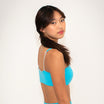
A lightly lined style like the Bleum Petal Padded Bra tends to win under thin tees, where it smooths the look and keeps things private in a chilly classroom. It is reversible two-in-one, adjustable, seamless, tagless and wire-free, with sewn-in pads that survive the wash. Because the pads are stitched in rather than dropped into a pocket, it holds a consistent shape, so it also reads more even under fitted tops that show every ripple. It is $25 in sizes 7/8 to 24.
An unlined option works well on hot days, sweaty commutes, and long wear, where fabric-only feels lighter and more comfortable. It suits kids who cannot stand bulk or a stiff cup, and it forgives a body that shifts month to month, since there is no fixed shape to outgrow.
The nuance most comparisons skip: padding is about coverage and smoothness, while support comes mostly from the band and the overall build. That is why a well-made unlined style can hold just as steadily as a padded one. Plenty of tweens settle the debate by keeping one of each and rotating by outfit and weather.
3. How to Pick a Sports Bra by Impact Level, Not the Pad
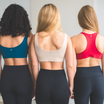
Here is the myth that costs parents the most: that a sports bra earns its keep by having a thin pad tucked in the cup. It does not. Support during movement comes from how a bra is built, and there are two main approaches. Compression holds everything closer to the body, usually with a snug pullover shape and often no padding. Encapsulation gives the cup more defined structure and can be padded or lined. A pad might smooth the look under a jersey, but the design does the actual work.
Impact level is the real deciding factor. For low-impact days like walking, yoga, or casual PE, an unpadded or lightly lined style handles everything a body needs. Dance and volleyball practice call for a stable band and secure straps that stay put through direction changes, with padding optional. For running and jumping drills, the priority shifts to bounce control and keeping seams from rubbing raw, and a lined cup makes sense when coverage matters too.

The Lotus Sports Bra is the style Bleuet builds for harder sessions. It has a wide, supportive underband for high-impact hold, adjustable straps with a J-hook for a racerback option, and a built-in lightly padded spacer mesh layer that gives coverage and a natural silhouette without the bulk of regular pads. The shell is brushed 67% nylon with 33% spandex, the spacer mesh is 100% polyester, and it is $36 in sizes 12 to 24. For general practice and everyday movement, the moisture-wicking Bleum Active Bra is the lighter option at $24.
One real headache: removable pads that fold, shift, or vanish in the wash. Families tired of fishing foam out of the dryer often prefer a sewn-in design. Three quick moves in the fitting room reveal almost everything: reach overhead, jog in place, then step side to side. If nothing rides up, digs, or shifts, it will hold through practice.
4. Why Padded Cups Gap (and How to Fix the Fit Without the Guilt)
A brand new padded bra with a pocket of air at the top of the cup can feel like proof that something is wrong with a body. It is not. Small adjustments between bra styles are normal, and the gap almost always points to how a cup was built, not to a flaw in the girl wearing it.
The reason comes down to construction. A molded or padded cup holds a fixed, pre-formed shape, so the body has to fill that shape to sit flush. An unlined cup is more flexible and adapts to whatever it covers. That single difference explains most fit surprises during these years, when shape shifts from one season to the next.
A few quick reads sort out what is happening. Gaping at the top of a padded cup usually signals a shape mismatch rather than a bra that is too big overall, so sizing down everything is rarely the answer. Spilling or overflow at the edges points the other way, toward a cup running small. A band that creeps up the back is simply too loose.
Trying it on the right way catches most of this early. Start on the loosest hook so there is room to tighten as the bra relaxes with wear. The band should feel snug, never painful. Straps should help carry the load without doing all the work, and a real test means moving: sit down, reach up, twist side to side. If the band stays put and nothing gaps or digs, the fit is sound. When the band feels right but the cup is slightly off, adjusting cup and band in opposite directions often lands the sweet spot. Bleuet's T-shirt sizing keeps this low-stress, and the best padded bras for girls guide offers deeper fit picks worth bookmarking.
5. How to Get a Smoother Look Under Thin Tops Without Heavy Padding
A smoother line under a thin cotton tee is a normal request, and it deserves a straight answer. The good news: heavy foam is rarely the fix. Coverage climbs on a gentle scale, and most days call for the lightest rung.

Start with fabric. A double-layer or thicker knit handles most thin tops on its own. The Bleum Racerback is the clearest example in the range: Bleuet's own size guidance notes it has a built-in shelf constructed with a thicker underlying fabric for extra support and coverage, which also means it fits closer to the body. It is 90% polyester with 10% spandex, $24, sizes 6 to 24, with minimal seams and a tag-free finish. When a little more smoothing helps, a lightly lined style adds a thin, even layer that reads flat under a shirt without any bulk.
Removable pads sit at the far end, and they earn a reality check. They let a girl dial coverage up or down, which sounds ideal. In practice, though, they fold, shift, and get lost in the laundry. Anyone who keeps them should wash bras in a mesh bag and lay them flat to dry, sparing the foam its usual dryer fate. For more coverage-forward everyday options, this roundup of padded bralette styles is a useful next stop.
6. What Makes a Bleuet Bra Work for This In-Between Stage
The years between a first undershirt and a real teen wardrobe have their own needs, and most bra racks ignore them. Women's styling arrives too early, cheap big-box options itch and ride up, and a growing body refuses to hold still long enough for either to fit. Bleuet was made for exactly this gap: supportive enough to feel like a real bra, without styling borrowed from a women's range.
Three design cues carry the weight. First, wire-free support paired with a stable band, so hold comes from the build rather than anything that pokes or shifts as shape changes. Second, soft materials with scratch points kept low: Bleuet finishes its everyday styles tag-free and describes them as tag-free and pinch-free, which removes the label most kids beg to have cut out. Third, durability that survives growth spurts and the endless wash cycles a school year demands.
Matching a need to a style stays simple. For everyday wear, a soft wire-free first bra like the Bleum Bra does quiet work under most shirts. For smooth coverage under fitted tees, a lightly lined or reversible option keeps the line clean. For PE and harder practice, a higher-support sports style with secure straps holds through the movement, as the earlier impact-level section laid out.
Here is the parent win that rarely reaches a product page: a bra a girl likes wearing gets worn, washes easily, and stays off the morning argument list. Comfort decides whether a drawer fills with unworn bras or gives one easy start to the day.
Building a Simple Bra Rotation That Actually Gets Worn
Most families do not need ten bras crowding a drawer. A growing girl needs a small rotation that covers school, sports, and the shape shifts of a growth spurt, with each piece pulling clear duty. Three well-chosen styles handle almost everything a busy week throws out.
Step 1: Pick the Everyday Default Bra
Start with the bra that gets reached for on an ordinary morning. If heat and all-day comfort rank highest, begin with an unlined, fabric-only style that stays light through a long school day. If a smooth line under fitted tees matters more, begin with a lightly lined option instead. By the end of this step, one dependable default should sit at the front of the drawer.
Step 2: Add an Activity Bra for PE and Practice
Next, layer in one bra built for movement. Choose by impact level using the guidance from the sports section earlier, then run the quick fitting-room test: jog in place, reach overhead, and twist side to side. If nothing rides up or shifts during those three moves, the bra will hold steady through practice, dance, or team sports.
Step 3: Add One Outfit Problem-Solver
The third piece handles the tricky tops. For thin or tighter shirts, a lightly lined style smooths the line. Preference decides which route fits the wardrobe. Those three pieces cover the full week.
Two small habits protect all three: wash gently in a mesh bag and air dry flat to hold the shape season after season. When it is time to build the rotation, start with the everyday bras and starter sets at Bleuet.
Frequently Asked Questions
Is a padded bra the same thing as a push-up?
No. A padded or lightly lined bra has a thin layer inside the cup that smooths the look and adds a bit of coverage, keeping a girl's natural shape. A push-up is built to add noticeable lift and volume, a women's styling goal that rarely fits a growing body. On product pages, look for "lightly lined" or "smooth cups" and skip anything labeled push-up.
Should a teen wear the same size in padded and unpadded bras?
Not always. Molded and padded cups hold a fixed shape, so they can fit differently than a flexible unlined style even in the same size. Confirm the band fit first, since that is where support comes from, then adjust for cup construction if a padded style gaps or feels snug. Bleuet's T-shirt sizing keeps this straightforward.
Are removable pads bad?
Not bad, just high-maintenance. They let a girl dial coverage up or down, which helps for a specific outfit or a body still finding its shape. The trade-off is real: they fold, shift sideways, and vanish in the wash. Families tired of fishing foam out of the dryer often prefer a sewn-in design that settles the question for good.
Which is better for PE, a padded or unpadded sports bra?
Neither wins by the pad. Choose by impact level, then prioritize a secure band and straps that stay put through movement. Padding is optional smoothing, not support. For girls who sweat heavily, lean toward breathable, moisture-wicking fabric so practice stays comfortable start to finish.
How should padded bras be washed so they do not get lumpy?
Use a mesh laundry bag, run a gentle cycle if machine washing, then reshape the cups by hand and lay flat to air dry. Skip high heat, which warps cup materials over time. This routine keeps the shape season after season and spares removable pads their usual dryer fate.
Leave a comment