









Nighttime Underwear for Kids: A Comfort Checklist for Tweens and Teens

A seam presses into her hip. A waistband rolls and pinches. She shifts again, but still cannot settle because her nighttime underwear for kids keeps demanding attention.
The term can mean two very different things. Some families need soft underwear that helps a sensitive sleeper get comfortable. Others need protection from overnight leaks. Knowing which problem you are solving makes it much easier to choose the right option. For Bleuet families, comfort is often the place to start.
Comfort Sleep Underwear vs Leak-Protection Underwear: Know the Difference
Search results place two product categories side by side. One is designed for comfort. The other is designed to absorb an accident. They serve different needs and cannot replace each other.
Comfort sleep underwear focuses on how a pair feels against the skin. Look for minimal seams, breathable fabric, and a smooth waistband. These details can reduce the itching, pinching, and rolling that interrupt sleep. This type of underwear does not absorb an overnight accident.
Leak-protection underwear has an absorbent core and guards around the legs. It is designed to contain liquid until morning, which also makes it bulkier than ordinary underwear.
Use the problem itself to choose the right category:
- Seams, itching, or a waistband that digs in at night: start with comfort sleep underwear.
- Wet pajamas or damp sheets in the morning: choose leak protection.
- Both problems at once: combine comfortable underwear with bed protection, such as a washable pad under the fitted sheet.
The Five-Minute Bedtime Comfort Scan
Soft fabric matters, but seam placement often decides whether underwear stays comfortable through the night. A pair may feel gentle in your hand while creating a noticeable ridge beneath a side sleeper's hip. What feels fine at bedtime can become irritating after several hours in one position.
A quick check before buying can catch the most common problems:
- Seam placement. Thick side seams can press against a side sleeper's hip. Seamless or minimal-seam construction is less noticeable.
- Tag. A tag-free pair avoids the repeated scratching that a stiff, folded label can cause at the lower back.
- Waistband. A wide, soft band that stretches with the body usually lies flatter than narrow elastic pulled tight.
- Gusset. A smooth, breathable cotton gusset helps the pair feel cooler and quieter overnight.

The Organic Cotton Hipster checks all four boxes for a more comfortable bedtime option. Made with 90% organic cotton and 10% spandex, it combines a soft, breathable feel with enough stretch to move comfortably through the night. Minimal seams help reduce the rubbing and pressure points that can become distracting for sensitive sleepers, while the smooth, flat waistband sits more gently against the skin. There is no tag to scratch or irritate, either.
For girls who notice every seam, label, or tight edge, those small construction details can make a real difference at bedtime. Available for $12 in sizes 10/12 through 24, the Organic Cotton Hipster offers a simple, low-distraction fit that can make getting comfortable for sleep feel much easier.
What Fabric Feels Like at 2am
A child may feel cool when she gets into bed, then warm up beneath a comforter. Fabric that feels crisp at bedtime can feel clammy during the night. No single fiber works for every sleeper. Cotton is familiar and breathable. Modal feels smooth and light. A cotton-modal blend combines qualities from both.

The Pima Cotton Full Brief uses that blend. It is made with 40% Pima cotton, 40% modal, and 20% elastane, plus a 100% cotton gusset. The seamless, mid-rise design offers fuller coverage and a wide comfort-stretch band that stays in place without rolling or riding up. It is tag-free, and the fabric is OEKO-TEX 100 certified. It costs $10 and comes in sizes 7/8 to 22/24, covering both younger and older sleepers.
Construction still matters more than the fiber name alone. A well-made cotton pair with a flat waistband can feel better than a poorly finished pair in another fabric. Check the seams and waistband first. Then use fabric preference to narrow the choice.
What She Sleeps In on Top
Questions about nighttime coverage above the waist often start around the same age as complaints about itchy seams, tight bands, or scratchy fabrics. Many tweens want something that feels more covered than a T-shirt but does not have the structure, pressure, or restrictive feel of a traditional bra.

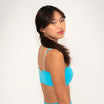
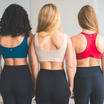
A soft camisole can be a useful middle ground. The Bleum Camisole is made with an ultra-soft, lightweight heather fabric and includes a built-in shelf bra for gentle coverage without adding bulky layers. Adjustable straps make it easier to fine-tune the fit, while minimal seams and a tag-free design help reduce common sources of irritation.
For girls who are sensitive to tight waistbands, underbands, hooks, or textured fabrics, that simpler construction can make bedtime feel more comfortable. Parents who are unsure whether a regular bra is suitable for sleep can also read Bleuet’s guide on whether it is bad to sleep in a bra. For tweens who still want some nighttime coverage, the camisole offers a softer alternative.
At $26 and available in sizes 6 through 22, the Bleum Camisole can work well as sleepwear for girls who want gentle coverage without feeling like they are wearing a traditional bra to bed.
If Leaks Are Part of the Picture: Absorbency and Discretion
Many leak-protection products do not list how much liquid they can absorb. Instead of depending on vague package claims, look for construction details. Guards around the leg openings are especially important for side sleepers. A product clearly labeled "overnight" is a better match for a full night than one labeled only "training" or "daytime," since those are intended for lighter, shorter wear.
Other than this, for a tween or teen, discretion can matter as much as protection. Try these checks at home before she needs the product for a sleepover:
- Noise. Ask her to walk and sit while wearing pajamas. If the product rustles in a quiet bedroom, it may be audible in a quiet sleeping bag.
- Bulk. Have her move in front of a mirror to see whether the product shows through pajama shorts.
- Edges. Check whether the waistband or leg openings create visible lines beneath thin sleep fabric.
Keep packing simple and private. A plain pouch with a neutral label can carry one or two backups and a small bag for used items. If she wants extra security without more bulk, place a thin protective pad beneath the fitted sheet instead of layering heavier underwear. She can then sleep in an ordinary soft pair.
When Overnight Accidents Are Normal and When to Call the Pediatrician
Overnight accidents are common in older children. They are not caused by laziness or a lack of willpower. Blaming a child only adds shame to a physical process that is still developing. A calm routine keeps attention on rest instead of the accident.
Have her use the bathroom just before lights-out. Place a washable pad over the fitted sheet so a nighttime cleanup requires a quick swap instead of stripping the whole bed. Keep spare pajamas and underwear within reach so she can change quietly and return to sleep.
Patience is usually appropriate, but some patterns deserve a pediatrician's attention:
- Bedwetting that returns after a long period of dry nights.
- Pain or burning when she pees, fever, or a sudden strong urge to go.
- Loud snoring or disrupted sleep along with frequent accidents.
- A large increase in distress or a sudden change in bedtime behavior.
These signs do not automatically mean something is wrong. They mean it is worth getting professional guidance instead of relying on an online search. Until then, protect both her sleep and her confidence. Waking up calm makes the situation easier to manage.
Build a Small Sleep Comfort Kit and Test It for a Week
If seams or a tight waistband keep waking her, begin with one simple change. Replace the underwear first, then see whether anything else in the bedtime routine needs attention.
Start with two or three pairs of minimal-seam underwear reserved for sleep, plus an optional extra for laundry days. That is enough for a useful trial without buying too much. The Mix & Match Undie Bundle includes the organic cotton hipster and Chloe modal bikini brief, with a larger discount as the number of pairs increases.
Try the new pairs for seven nights. Keep the styles she stops noticing once she gets into bed. If a waistband rolls or the leg openings leave marks, change the size or style rather than giving up on sleep underwear altogether. The goal is straightforward: fewer distractions and better rest for a girl who feels comfortable in her own skin.
If you are ready to build a softer bedtime rotation, explore Bleuet’s collection and choose the underwear styles that best match her comfort preferences.
Frequently Asked Questions
How is nighttime underwear different from training underwear?
Training underwear is designed for daytime learning and small accidents while a child is awake. It provides light absorbency for shorter periods. Nighttime leak-protection underwear is made for full overnight accidents and movement between sleep positions. Comfort sleep underwear is a separate category. It does not absorb leaks. It is for seam-sensitive sleepers who need softer, less noticeable underwear at night.
What should parents look for in nighttime underwear for older kids?
Look for a pair that rests gently at the legs and lies flat at the waist. Check the rise, leg openings, and waistband for gaps, rolling, or pressure. Two children at the same weight may need different sizes. If she falls between sizes, prioritize comfort and close-fitting leg openings without leaving deep red marks by morning.
Are washable or reusable nighttime underwear options enough?
Washable options often work well for light, occasional leaks and can be discreet beneath pajamas. Heavier overnight accidents usually require a more absorbent disposable product or bed protection underneath. Care also matters. Rinse the underwear promptly after use and follow its washing directions closely. Otherwise, odor can build up and the pair may stop feeling fresh.
What if she refuses anything that feels babyish?
Begin with neutral language. Call it "sleep underwear" or "backup underwear" instead of using words that feel childish. Let her choose the style and decide how to pack it. That control can make the situation feel more private and manageable. Bed protection beneath the fitted sheet also allows her to wear ordinary-feeling underwear while staying protected.
Should a parent worry if a tween still has nighttime accidents?
Not necessarily. Overnight dryness can develop years after daytime dryness. Pay attention to the pattern. A pediatrician should weigh in if accidents begin suddenly, cause pain, happen often alongside disrupted sleep, or lead to significant distress. In the meantime, focus on protecting her rest and confidence. Better sleep makes the situation easier for everyone to handle.
Leave a comment