









What Is a Camisole With Built-In Bra (and Why Tweens Love Them)

A camisole with a built-in bra does two jobs at once. It pairs a soft cami with an integrated support layer, so a growing girl gets coverage and light shaping without wrestling a separate bra underneath.
Tweens and teens reach for them because they are simple: fewer layers, less fuss, more comfort through a full school day. Choosing one comes down to a handful of things: the type, the fabric, how it washes, and how much support it actually gives. Support level and comfort come before any of the rest.
1. What a Built-In Bra Camisole Actually Is (and What It Is Not)
Families waste money on one mix-up: a camisole with a built-in bra is not the same thing as a sports bra, and the word "support" does not mean one fixed amount. At its simplest, this garment is a soft cami with an extra inner layer sewn in, designed to add coverage and light shaping so a growing girl feels covered under a shirt or comfortable wearing the cami on its own.
Set expectations honestly. These pieces shine for everyday wear, layering, and light movement like walking to class or lounging at home. They are not built to handle high-impact activity. When a girl is sprinting, tumbling, or dancing for hours, a dedicated sports bra such as the Lotus Sports Bra, which Bleuet builds with a wide supportive underband for high-impact hold, stabilizes in a way a light cami layer cannot.
Online listings speak their own language. A "shelf bra" refers to that inner elastic support band. A "bra cami" or "cami bra" usually means more bra-like support in a longer length. And "padded" can mean either padding stitched in permanently or removable inserts, so the product description matters.
One quick self-check settles it: does a girl mainly want coverage, a smoother shape, or more genuine hold? The answer points straight to the right style.
2. The Four Built-In Support Types, Decoded
Two identical-looking camisoles can feel completely different once they are on. The reason lives inside, in how the support layer is built. Four construction styles cover almost everything on the market, and knowing them lets a parent predict comfort, coverage, and laundry-day behavior before the box arrives.
A shelf bra is the lightest option: an inner elastic band with a fabric layer above it. It suits everyday comfort, easy layering, and light support. Fit is the thing to watch. A band that runs too tight leaves marks, while one that is off can roll up under a shirt.
Sewn-in padding stitches the shaping right into the garment. Nothing to remove, nothing to reinsert, which makes it a put-it-on-and-forget-it choice for modesty and fewer laundry headaches. The trade-off is flexibility, since coverage is fixed. The Bleum Petal Neutral Bamboo Bra shows how clean sewn-in pads can feel, in a 66% bamboo, 28% cotton, 6% spandex blend at $26.
Removable inserts sit in little pockets, so coverage adjusts to the outfit or the day. The catch is real: inserts shift and twist in the wash, and re-positioning them takes a few minutes each time.
Longline or cami-bra styles run longer for a genuine underlayer feel, which longer torsos often prefer. Sizing precision matters more here, since extra length has more room to fit wrong.
A fast way to decide: picture three moments. A busy school day rewards sewn-in simplicity, sleep and lounging favor a soft shelf bra, and a fitted weekend outfit is where adjustable coverage earns its keep.
3. The Five-Minute Fit Check Before the Tag Comes Off
A cami can look right and still move wrong, passing the mirror but failing the school day. Catch a problem before the tag comes off, while returns are still easy, using a quick check any tween can run herself.
Start with coverage in a real T-shirt, not the cami alone. Have her reach up, sit down, and bend forward. Does the inner layer stay put and keep her feeling secure through all three? Then check opacity against the actual outfit, since fabric that looks solid on its own can turn sheer under a fitted or lighter top.
Straps are the easiest upgrade to get right. Adjustable straps let one garment keep fitting across a growth spurt rather than a single month. Placement matters too: straps that sit inward stay hidden under the common necklines of school shirts.
The band should feel snug without pinching, never the hold-your-breath kind of tight. Watch for the honest red flags: elastic that digs, a band that rolls, or constant tugging through the day. Sensory comfort seals it, so run a finger along the seams and edges. Minimal seams, a tag-free finish, and soft elastic are what let a girl forget the garment is there under a uniform shirt.
Then the test-drive, three quick movements: a big overhead stretch, a toe-touch, and a twist side to side. If nothing shifts, rides up, or needs fixing, it is ready for Monday.
4. Cotton vs Cotton-Rich Blends: What the Label Really Tells
Cotton has a well-earned reputation. It breathes, feels soft against warm skin, and layers easily under a school shirt, which is exactly why so many parents type "cotton camisole with built in bra" into a search bar. For everyday wear, that instinct is a good one.
Here is the trade-off few shoppers see coming. A built-in bra has to hold its shape wash after wash, and pure cotton stretches out over time without much memory to spring back. That inner support layer is where it shows first, going slack sooner than expected. This is why cotton-rich blends matter: a mostly-cotton fabric with a small percentage of stretch fiber keeps the shelf bra supportive far longer while still feeling like cotton. Bleuet's Organic Cotton Hipster is a useful illustration, listing 90% organic cotton with 10% spandex in its materials, plus a smooth waistband and tag-free label.
Reading a label gets simpler with two questions. Does the blend keep a gentle stretch for lasting support? And does the interior feel smooth, so the inner layer never scratches against sensitive skin?
Hot weather adds its own notes. Breathable knits and a band that is snug rather than tight keep a girl cool, and lighter colors can turn slightly sheer, so a quick test under a real tee is worth the minute. When modest coverage is the true goal, light sewn-in padding often does more than fabric content alone.
5. When a Built-In Bra Cami Is the Right Call (and When to Reach for Something Else)
Most families do not need a drawer full of these. They need the handful of moments where a built-in bra cami earns its spot, plus the one situation where a different piece does the job better.
Layering for school is the everyday winner. Worn as an underlayer, a cami adds opacity and quiet confidence beneath a thin uniform polo, and it works as a smooth base under sweaters and hoodies through cooler months. This is the use most tweens reach for first, and the best girls camisole tops for layering guide goes deeper on pairing.
Sleep and lounge is the second natural fit. Comfortable enough to sleep in means no gripping band, no digging straps, just soft fabric that a girl forgets about. A shelf-bra cami makes a gentle in-between for a girl not ready for a structured bra overnight.
Light movement works well too. Walking, biking around the block, and casual dance practice sit within what a soft inner layer can handle. The boundary stays firm: for high-impact sports, a true sports bra is the answer, as covered earlier.
For most girls, two or three camis in rotation is the sweet spot. That cushion means fewer laundry emergencies and lets each piece rest between wears, protecting the elastic and stretching the life of every one.
6. Bleuet's Bleum Camisole: A Shelf-Bra Cami Worth a Closer Look

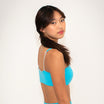
The Bleum Camisole is one garment that does all of this. It gives smooth coverage in ultra-soft, lightweight heather fabrics, and works as an extra layer under a dress or T-shirt or on its own.
Three details do the heavy lifting. It has a shelf bra for extra coverage and support, which is what separates a cami with a built-in bra from a plain one. The straps are adjustable, so the fit can be reset as a girl grows rather than replaced. And it has minimal seams with a tag-free finish, which is what decides whether a texture-sensitive girl keeps it on. The materials are 90% polyester with 10% spandex, and the fabric carries Oeko-Tex Standard 100 certification. It is $26 in sizes 6 to 22.
Worth naming the trade-off honestly: at 90% polyester this is a performance blend rather than the cotton cami some families picture, which is what keeps the shelf bra springy through repeated washing. The style suits a tween or teen who wants coverage without wires, or anyone hunting for a smoother underlayer beneath tees and jerseys. It also works as a gentle first step. When a structured bra feels like too much too soon, a cami-first start can be the kinder on-ramp, and the bra versus bralette first-bra guide helps parents weigh that choice.
For families ready to decide, the Bleum Camisole comes in a range of colors and sizes, and a fuller shelf-bra cami review for tweens and teens walks through it in detail.
How to Choose a Camisole With Built-In Bra: A Five-Step Buying Workflow
Theory only helps when it turns into a confident order. This short workflow strips the decision down to five moves, so a parent can go from unsure to checked-out without second-guessing.
Step 1: Name the Main Job First
Decide what the cami is actually for before browsing colors. Three jobs cover most needs: an underlayer for school, a soft piece for lounging and sleep, or an everyday cami a girl wears as a top. Pick one. That single answer rules out half the options and points toward the right support level.
Step 2: Match the Construction to That Job
Return to the four construction styles covered earlier. For simple coverage plus easy morning outfits, a shelf-bra cami is the low-fuss pick, delivering light support with no inserts to reposition. When the goal leans toward fixed modesty, sewn-in shaping fits better.
Step 3: Pick a Starting Piece
For most families, one shelf-bra cami is the sensible first buy. The Bleum Camisole handles the school-layering and lounge jobs in one soft, lightweight garment, with adjustable straps that reset as a girl grows. Sizing follows T-shirt sizing, so a parent picks the size a girl already wears in tops.
Step 4: Use Bleuet's Learning Shortcuts
Two minutes of reading prevents most returns. Compare styles in the shelf-bra cami guide, gather pairing ideas from the girls camisole layering tips, and settle any bra-versus-bralette question with the first-bra decision guide, all linked above.
Step 5: Build a Small Rotation
Order two or three so laundry day never leaves a girl without one. A small rotation gives the elastic a rest between wears, which keeps every piece supportive for longer.
Ready to browse the full range of age-appropriate foundational wear? Start at the Bleuet shop.
Frequently Asked Questions
Is a camisole with a built-in bra supportive enough to wear all day?
For everyday and school wear, usually yes. A built-in shelf bra handles a full day of sitting, walking, and light movement comfortably. High-impact sports are the exception, where a dedicated sports bra does a job a light inner layer cannot. The band should feel secure without pinching, so a girl notices coverage but never the squeeze.
What is the difference between a shelf-bra cami and a padded built-in bra cami?
A shelf bra is an inner elastic layer that adds light support and coverage, with nothing extra between the body and the top. A padded version adds shaping and a touch more coverage, either stitched in permanently or through removable inserts. Pick the shelf bra for low-maintenance simplicity, or padded when adjustable or fixed modesty is the goal.
Can a built-in-bra cami be worn as a top on its own?
Yes, for plenty of outfits. Run a quick opacity check against the actual outfit, since fabric that looks solid alone can turn sheer under bright light. Then have her stretch and twist to confirm nothing shifts. Strap placement and neckline also matter for school dress codes, so inward-sitting straps stay tidy under uniform shirts.
How do you wash a built-in-bra cami so it stays comfortable?
Use a gentle cycle in cold water, a mesh wash bag to protect the shape, and air drying whenever possible to preserve the elastic. For styles with removable inserts, wash so they cannot twist inside the pockets, then reposition them while the garment is still damp so they dry flat and even.
What if a tween is between sizes or growing fast?
Lean on adjustable straps and a comfortable band, since both give some room to reset the fit. When she falls between sizes, let comfort decide: no digging, no rolling. The intended use guides the rest, with a wear-alone piece favoring a closer fit and a layering piece leaving a little breathing space.
Leave a comment